
Last updated November 23, 2026
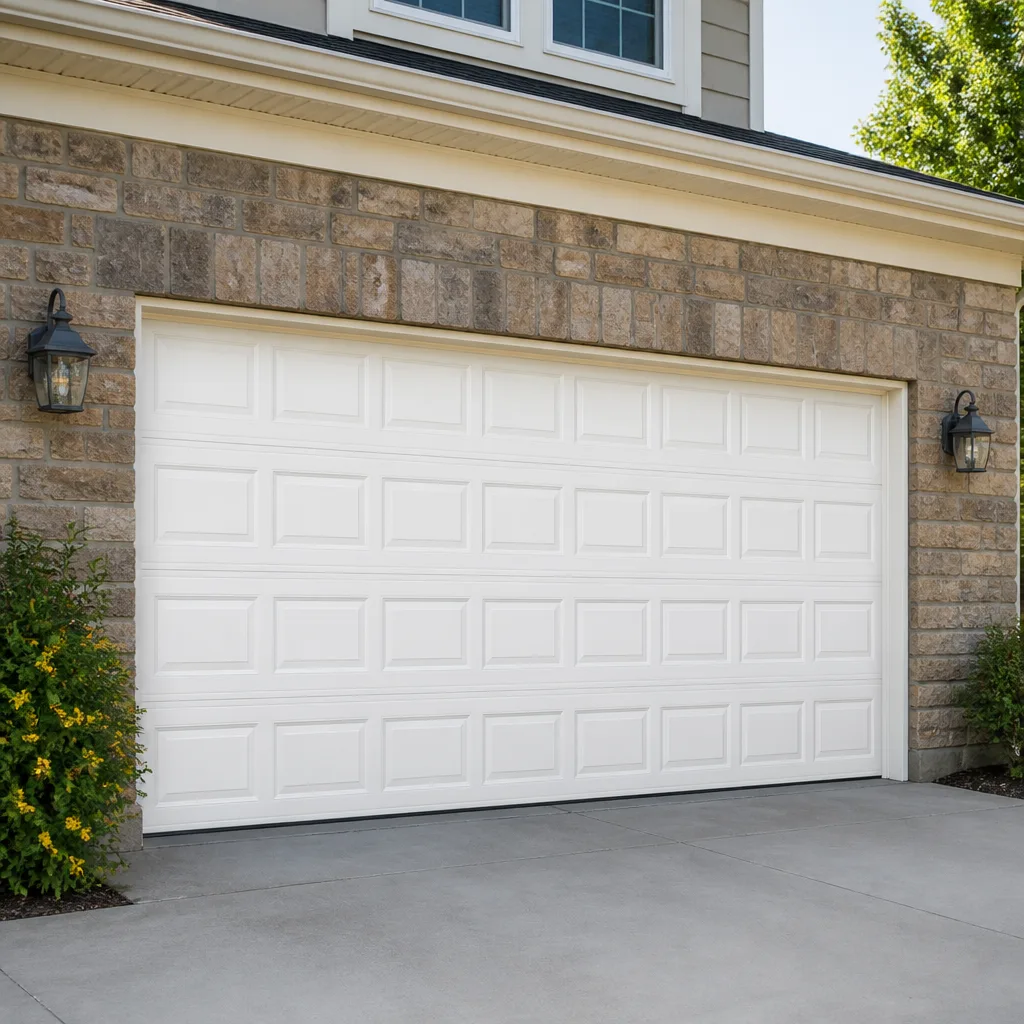 Raised-panel steel
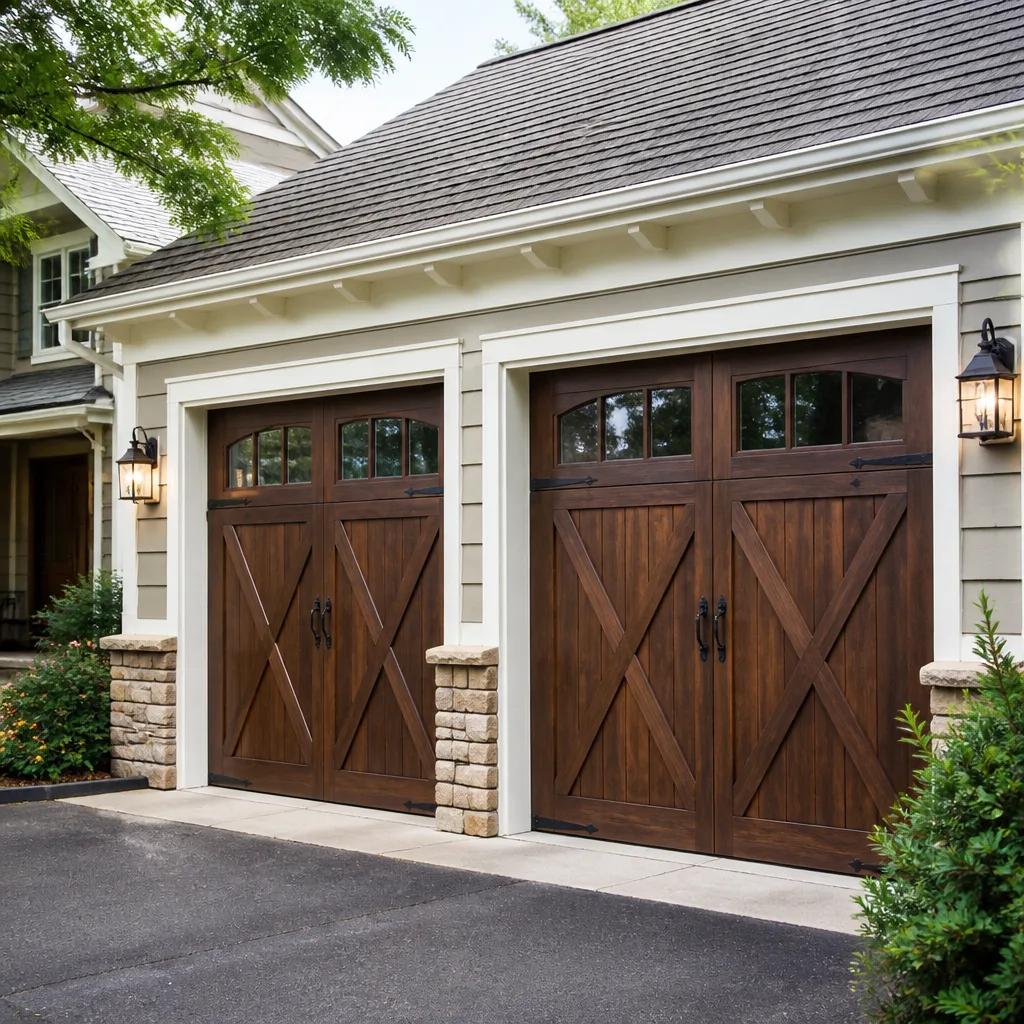 Carriage house
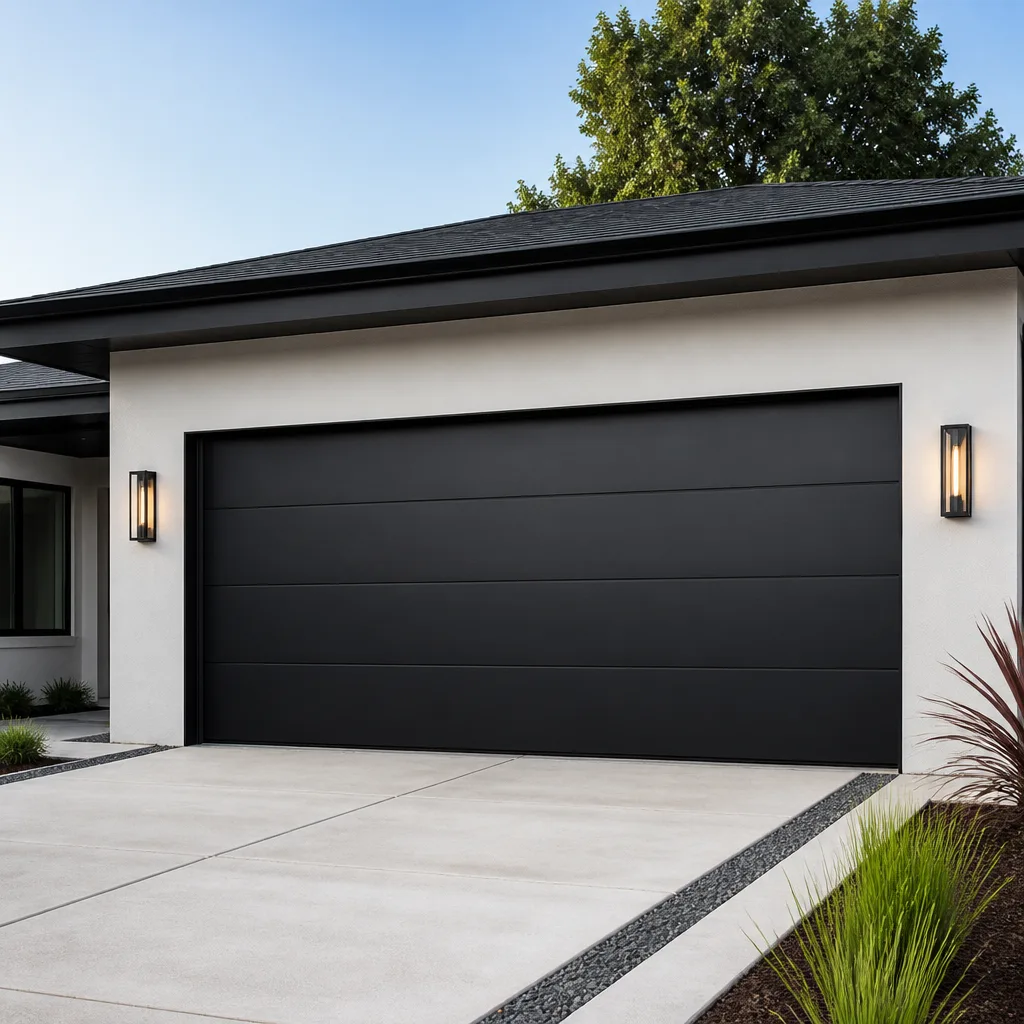 Modern flush
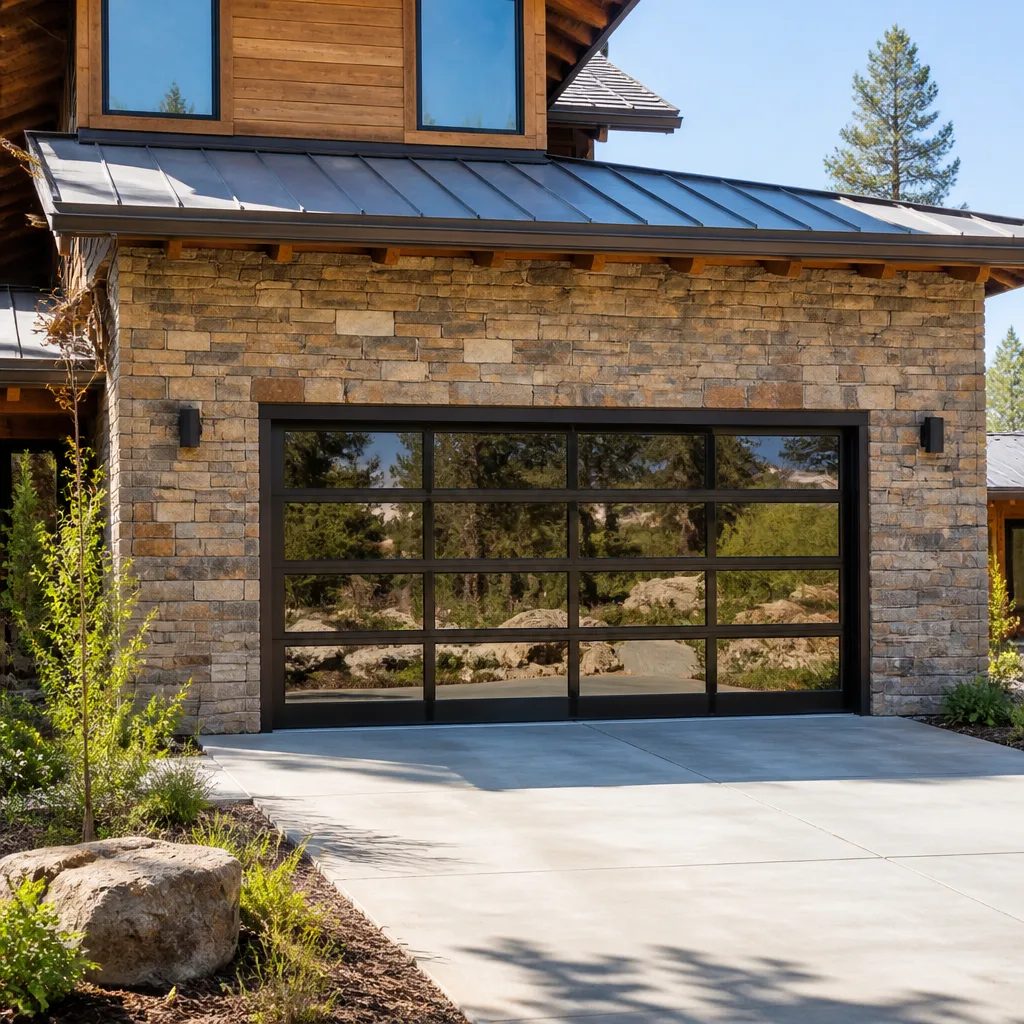 Full-view glass
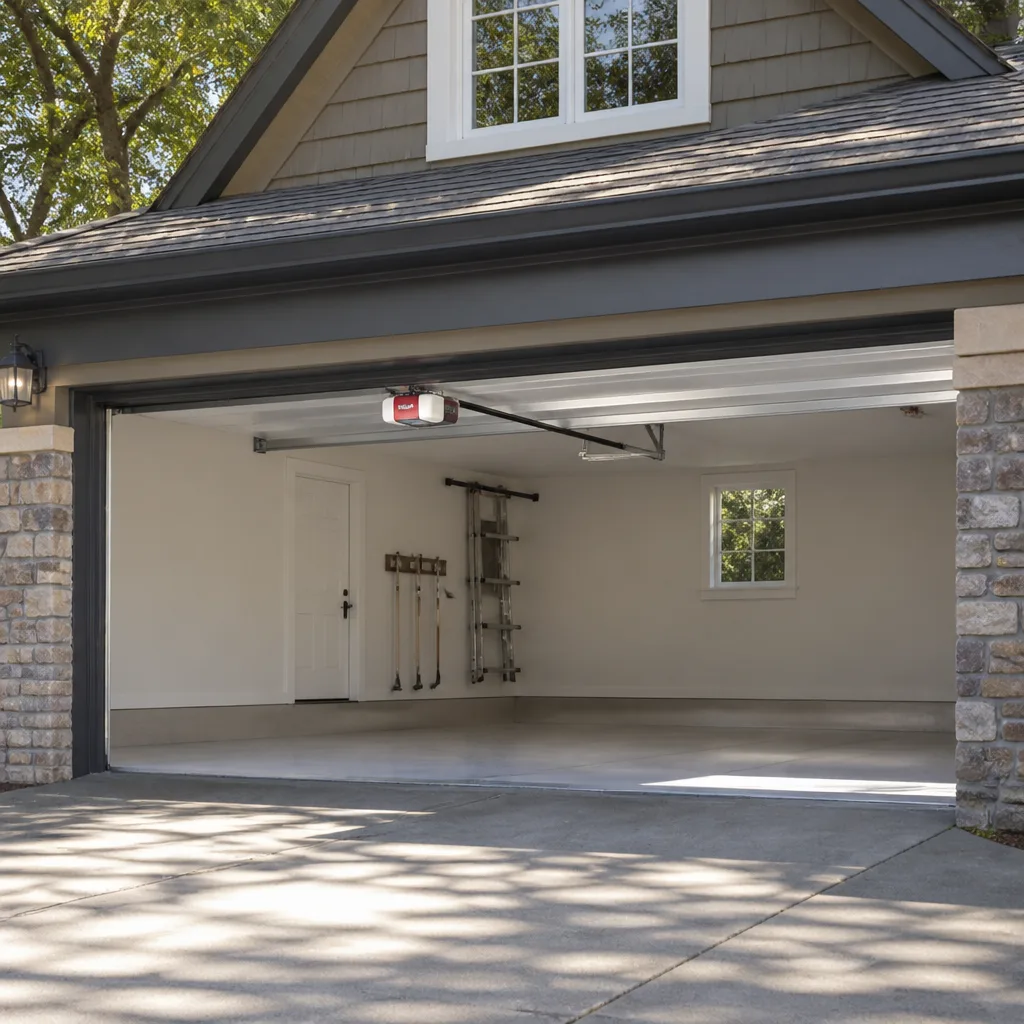 LiftMaster openers
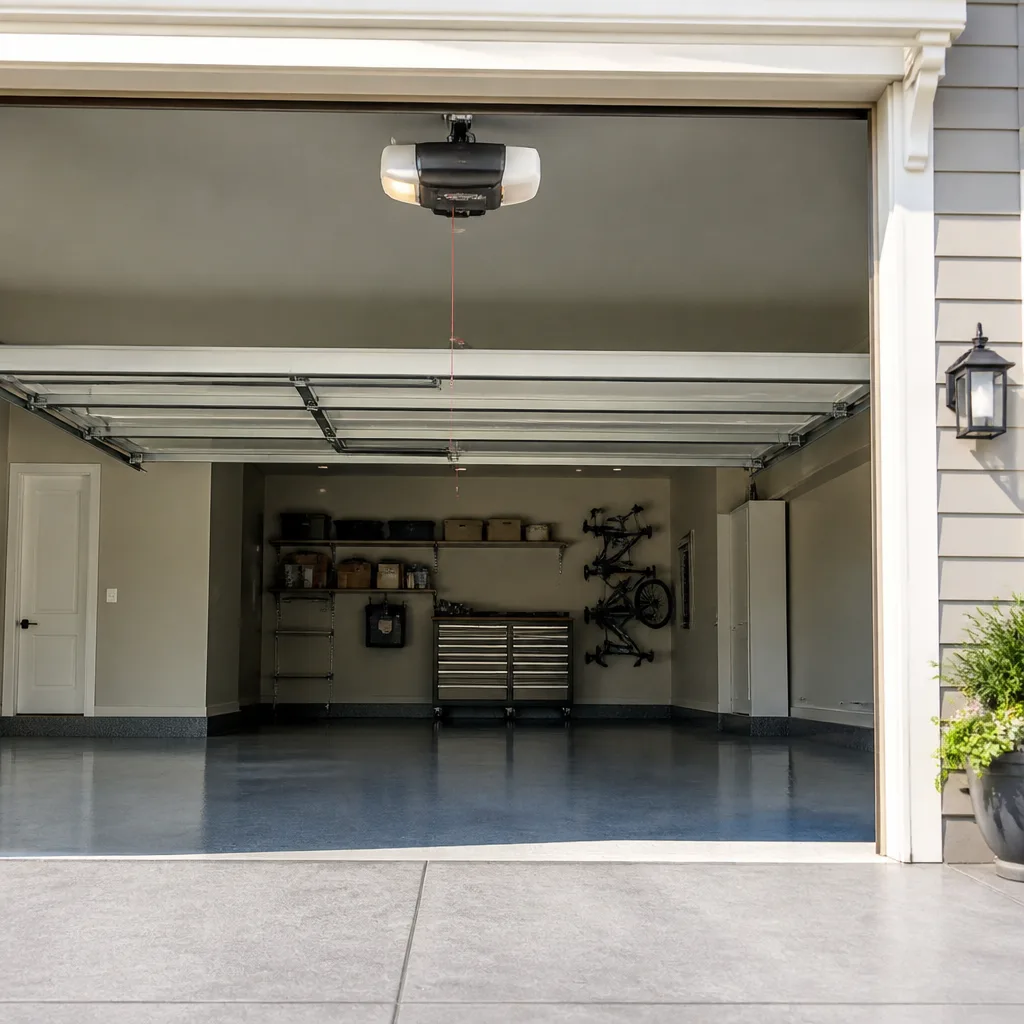 Chamberlain openers
Full 25-point door and opener safety check with every visit - springs, cables, rollers, tracks, and your LiftMaster or Chamberlain opener included
You get a price before we start. It does not change when the pro arrives.
Get your free estimateThe Complete Guide to Garage Doors in McLean
Most McLean homeowners don’t think about their garage door until it stops working. Yet it’s the largest moving assembly in the house, the entry point their family uses most, and one of the few upgrades that visibly changes how a home looks from the street. Here’s the part almost everyone gets wrong: they judge a door by its panels, when the panels are the least mechanically important part of the system. Springs, cables, tracks, and the opener do the actual work, and those are exactly what most shoppers ignore. This guide walks through how a garage door really functions in McLean’s climate, how to tell a repair worth doing from money thrown at a door past its useful life, and how to pick a door or opener in a market crowded with brands.
Quick Answer
In McLean, a garage door is best managed as a system with two halves you maintain separately: the mechanical side (springs, cables, rollers, tracks, opener) and the cosmetic side (panels, windows, finish). The mechanical side needs attention first and governs whether your door is safe and reliable; the cosmetic side is where HOA rules and curb appeal come in. Most failures we’re called for come from ignored springs, worn rollers, or an opener pushed past its limit, not from panel damage.
Styles & brands we work with
- Raised-panel steel
- Carriage house
- Modern flush
- Full-view glass
- LiftMaster openers
- Chamberlain openers
Table of Contents
- Why the Mechanical Side Matters More Than the Panels
- How McLean’s Climate Wears a Garage Door
- The Real Hierarchy of Garage Door Components
- Repair or Replace? How to Decide
- Working Within McLean HOA Rules Without Sacrificing Function
- A Brand-Agnostic Look at Openers and Doors
- A Practical Maintenance Routine
- Safety: What You Should Never Handle Yourself
Why the Mechanical Side Matters More Than the Panels
When people picture a garage door, they picture panels, windows, color, and finish. That’s what a buyer sees from the curb, so it’s what drives most new-door decisions. But the panels are dead weight; the mechanism is what keeps them moving safely hundreds of times a month.
Think about what a door actually does. It lifts a few hundred pounds of steel or wood along a curved steel track, counterbalanced by springs under heavy tension, pulled by an opener motor sized to the load. Every one of those parts wears on a schedule. When a spring snaps, the door won’t open at all. When a cable frays, the door can drop unevenly or jam. When a roller seizes, the opener works harder until it burns out. Those are the failures that actually stop a McLean household in its tracks, and none of them live in the panel.
That’s why a door that still looks fine can be quietly unsafe. A worn spring doesn’t announce itself; it just stretches and loses tension over years until one day it breaks. A door that feels heavier than it used to is a door with a mechanical problem, whatever the panels look like.
So when you’re evaluating a door, ask two separate questions:
- Mechanical: Do the springs balance the door? Are cables intact? Do rollers turn? Does the opener lift smoothly?
- Cosmetic: Are the panels sound? Windows intact? Finish holding up? Does it match the house and meet HOA rules?
A good door scores well on both. A door that scores well on cosmetics but poorly on mechanics is a door waiting to fail.
How McLean’s Climate Wears a Garage Door
McLean sits in a climate with real seasonal swings: humid summers and cold winters that cycle through repeated freezing and thawing. That combination creates a wear pattern you won’t see in drier or warmer parts of the country, and it affects which components fail first.
Freeze-thaw cycles and metal fatigue
When temperatures drop below freezing at night and rise above it during the day, moisture in the air and on metal surfaces condenses, freezes, and thaws repeatedly. This stresses springs and cycles steel tracks through expansion and contraction. Over many winters, that constant back-and-forth shortens spring life and can loosen fasteners in the track and hinges.
Summer humidity and wood or finish panels
Humid summers work on the other side of the door. Wood and composite panels swell, paint and stain break down faster, and metal hardware can rust if moisture sits on it. Sealant around windows can fail, letting water creep in. Rollers that ride on steel tracks get grimy and stiff when humidity combines with road dust.
What this means in practice
If you live in McLean, your springs and hardware see more stress cycles per year than a door in a drier climate. That doesn’t mean your door is doomed, but it does mean you should look at spring age and hardware condition before you look at paint. If your door sounds different season to season, that’s the climate talking.
The Real Hierarchy of Garage Door Components
If you had to rank what matters most on a garage door, most people would put panels first. The actual ranking looks like this:
- Springs – The heart of the system. They counterbalance the door’s weight and carry enormous tension. A failed spring means a door that can’t safely open.
- Cables – They work with the springs to raise and lower the door. A frayed cable is a safety hazard, not a nuisance.
- Tracks and rollers – The guide path. Misaligned tracks or bad rollers cause jams and strain the opener.
- Opener and drive system – The motor that does the lifting. It fails faster when the door underneath is unbalanced.
- Panels and finish – Cosmetics and weather protection. Important for looks and insulation, but they don’t keep the door working.
Spending on springs and cables protects everything above them. Spending on panels while ignoring springs is the single most common way McLean homeowners end up with a door that looks new and still won’t work. If you’re not sure which tier your problem falls into, our garage door spring repair page covers the highest-stakes component in more depth.
Repair or Replace? How to Decide
This is where a lot of money gets spent badly, in both directions. Some homeowners replace a door that only needed a spring and a set of rollers. Others keep throwing repairs at a door well past its useful life. Here’s a framework for deciding.
Repair usually makes sense when the door’s structure is sound and the failure is in a wear part:
- The springs, cables, rollers, or hinges need replacing, but the panels and frame are intact.
- The opener needs a repair or replacement, but the door itself opens and closes smoothly by hand.
- The door is roughly mid-life and has been maintained.
Replacement starts to make sense when multiple systems are failing at once or the door’s frame is compromised:
- Panels are cracked, rusted through, or separating, and the weather seal can’t be restored.
- The door has been painted over repeatedly, has warped, or has structural cracks in the sections.
- You’re facing a repair bill on a door that’s also driving up heating and cooling loss through poor insulation.
A good way to frame it: a repair that restores reliable function for years is money well spent; a repair that’s the third or fourth in as many years on the same door is a signal. If you’re not sure which side of that line you’re on, our garage door repair specialists can walk through it with you honestly rather than pushing a replacement.
Working Within McLean HOA Rules Without Sacrificing Function
Many McLean neighborhoods are governed by homeowners associations that set rules on exterior appearances. Garage doors are one of the most commonly regulated features, and those rules often push homeowners toward choices that aren’t great for the door’s function if they’re not careful.
Typical constraints you’ll run into:
- Color palettes limited to specific tones that match the neighborhood.
- Panel styles restricted to carriage-house, raised-panel, or flat-panel designs.
- Window inserts required to match the house trim or banned entirely.
- Materials constrained to wood-look or specific finishes.
The trick is that HOA rules usually govern appearance, not the hidden mechanics. That means you can almost always get a door that satisfies the HOA and still has the spring, cable, and opener setup you want underneath. A carriage-house panel over a properly balanced torsion-spring system looks exactly the same from the street as a cheaper door with the same panels, but it operates differently for the next decade.
Some practical steps:
- Get your HOA’s written guidelines before you shop for a door.
- Ask whether the rules cover panel style, color, window inserts, or all three.
- Confirm which parts of the door are regulated and which are not (the mechanism is rarely regulated).
- Choose the right mechanical system first, then pick panels that fit the rulebook.
If you’re working within HOA rules and want to avoid the compromise of “looks right but operates poorly,” our McLean Garage Door Repair team can talk you through what’s possible.
A Brand-Agnostic Look at Openers and Doors
In McLean, as elsewhere, garage door manufacturers are dominated by a handful of well-known names. Each has its strong points, and a brand-agnostic approach means recommending what fits your door, your budget, and how you actually use it, rather than steering you toward whatever a dealer happens to stock.
Openers worth considering
LiftMaster and Chamberlain are widely installed, parts are easy to source, and both offer smart-home integration that many McLean homeowners ask about. Genie is another common choice, known for solid belt-drive and chain-drive systems. If your existing opener is one of these and still works, repairing it is often the right call.
Door manufacturers worth considering
Clopay and Amarr are among the most widely installed residential lines, with broad style ranges that fit many HOA palettes. Raynor makes sturdy options with good insulation values if you’re managing heat loss through an attached garage. Wayne Dalton covers entry-level and mid-range well. Recommendations depend on which manufacturer’s door fits your HOA rules, your budget, and your intended life span.
A brand-agnostic stance matters because brand loyalty in this industry often hides a dealer agreement. When a company only pushes one brand, it’s not always because that brand is best for you. Our garage door opener repair team works across the majors so we can diagnose the actual issue instead of guessing.
A Practical Maintenance Routine
A garage door is a machine. It responds well to a routine, and the routine costs you little time. What we tell homeowners in McLean is: focus on the parts that fail silently.
- Balance test once a year. Disconnect the opener and lift the door halfway by hand. It should stay put with little effort. If it drops or feels heavy, the springs are losing tension and need a look.
- Visual cable and roller check quarterly. Look for fraying, rust, or misalignment. Rollers should turn freely; if they wobble or freeze, they need replacing.
- Lubricate hinges and rollers twice a year. A light application keeps them moving without attracting grit.
- Check the weather seal seasonally. A torn seal lets water and cold in, which accelerates wear on the door and framing.
- Test the safety reverse monthly. Place a small object in the door’s path and close it; the door should reverse on contact. This is a safety function, not a convenience.
- Look at the springs. A torsion spring that has visibly separated at a coil is broken. Never try to lift a door with a broken spring by hand.
None of those steps involve touching springs or cables, which are the dangerous parts. They’re just watching the door’s behavior and catching wear early. A door that’s caught early is a door you keep longer.
Safety: What You Should Never Handle Yourself
Garage door springs and cables are under extremely high tension. Releasing that tension unexpectedly can cause serious injury, and a garage door is heavy enough to cause real harm if it falls. This is a job for a trained professional.
Specifically, don’t:
- Attempt to remove or adjust springs or torsion bars.
- Cut, loosen, or detach cables.
- Lift a door with a broken spring by hand or prop it open.
- Try to realign a track while the door is under load.
What you can do safely is watch and report: listen for new sounds, check for visible spring separation, test the safety reverse, and call us if something changes. When in doubt, our team is trained in exactly this kind of work and can take the risk off your plate entirely.
Common Mistakes to Avoid
- Replacing panels before checking springs. Panels are the visible part; springs are the working part. A McLean homeowner who replaces panels on a worn-out spring system ends up with a pretty door that still won’t open.
- Ignoring a noisy door. Grinding or squealing is a message, not a quirk. Catching a bad roller early is cheap; catching it after it seizes and stalls the opener is not.
- Choosing a door by color alone. Color matters for HOA compliance, but the mechanical system underneath matters more for how long the door lasts through McLean’s freeze-thaw cycles.
- Installing an overpowered opener to mask a heavy door. If the door is unbalanced, the opener isn’t the problem. Fixing the spring tension is what actually restores function.
- Letting a dealer pick the brand for you. A one-brand shop will recommend the brand it sells. A brand-agnostic specialist will recommend what fits your door, budget, and use case.
- Skipping the balance test for years. Springs degrade gradually, and a slow loss of tension is easy to miss until the door won’t lift. The balance test takes minutes and catches it early.
See the difference
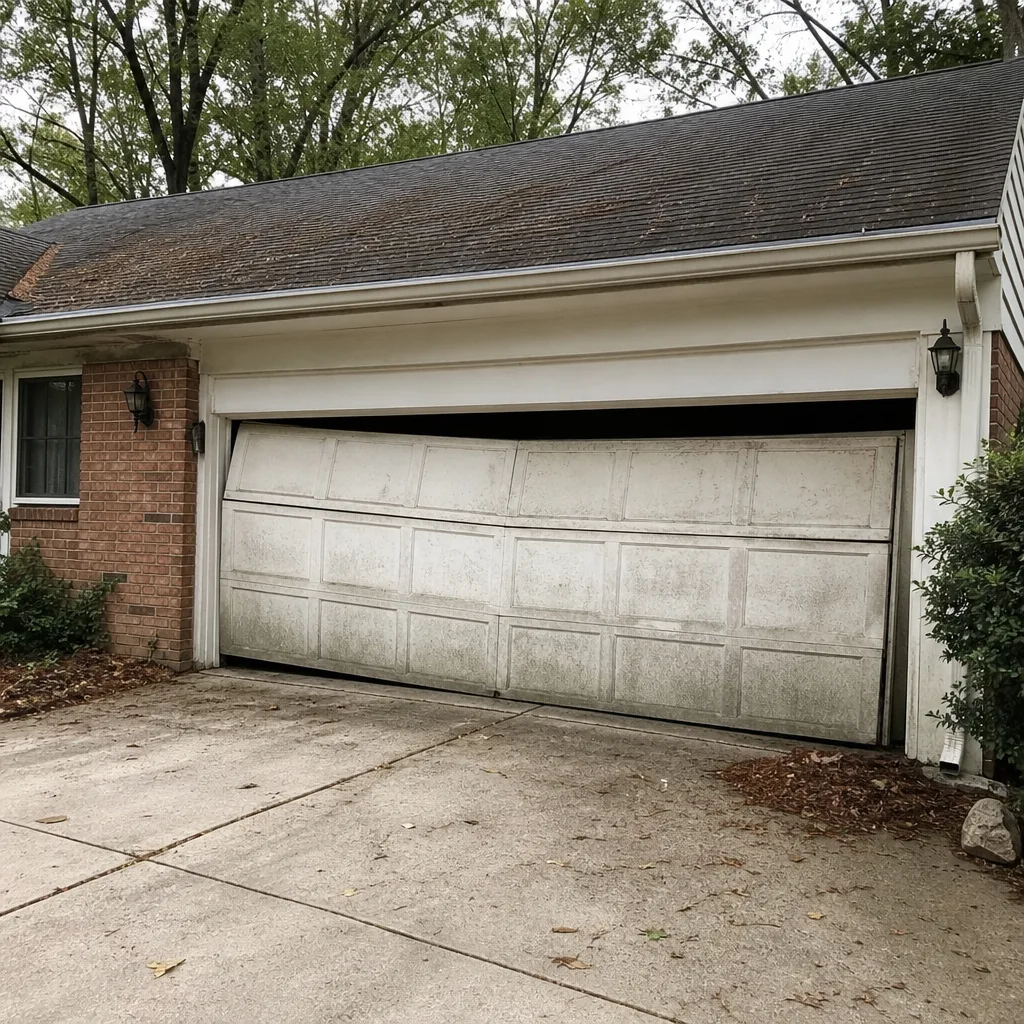 Before
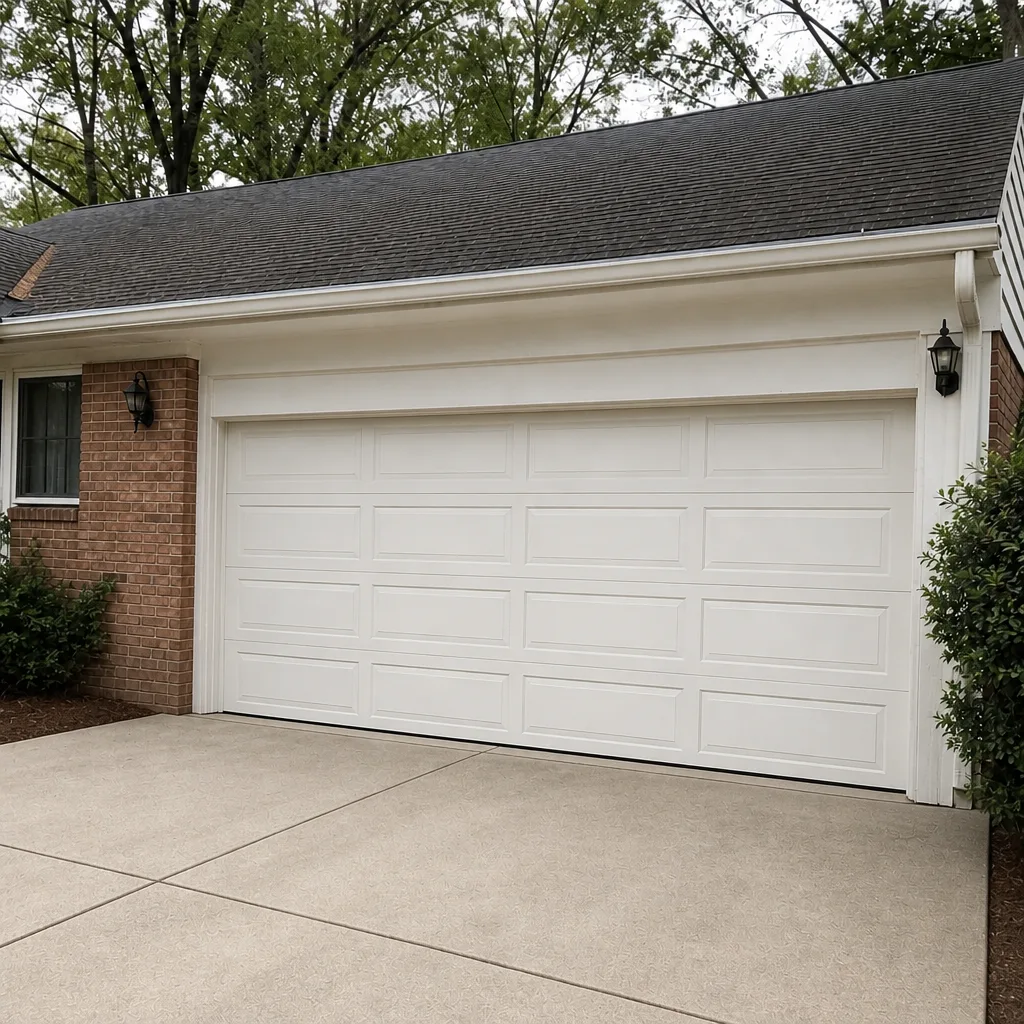 After
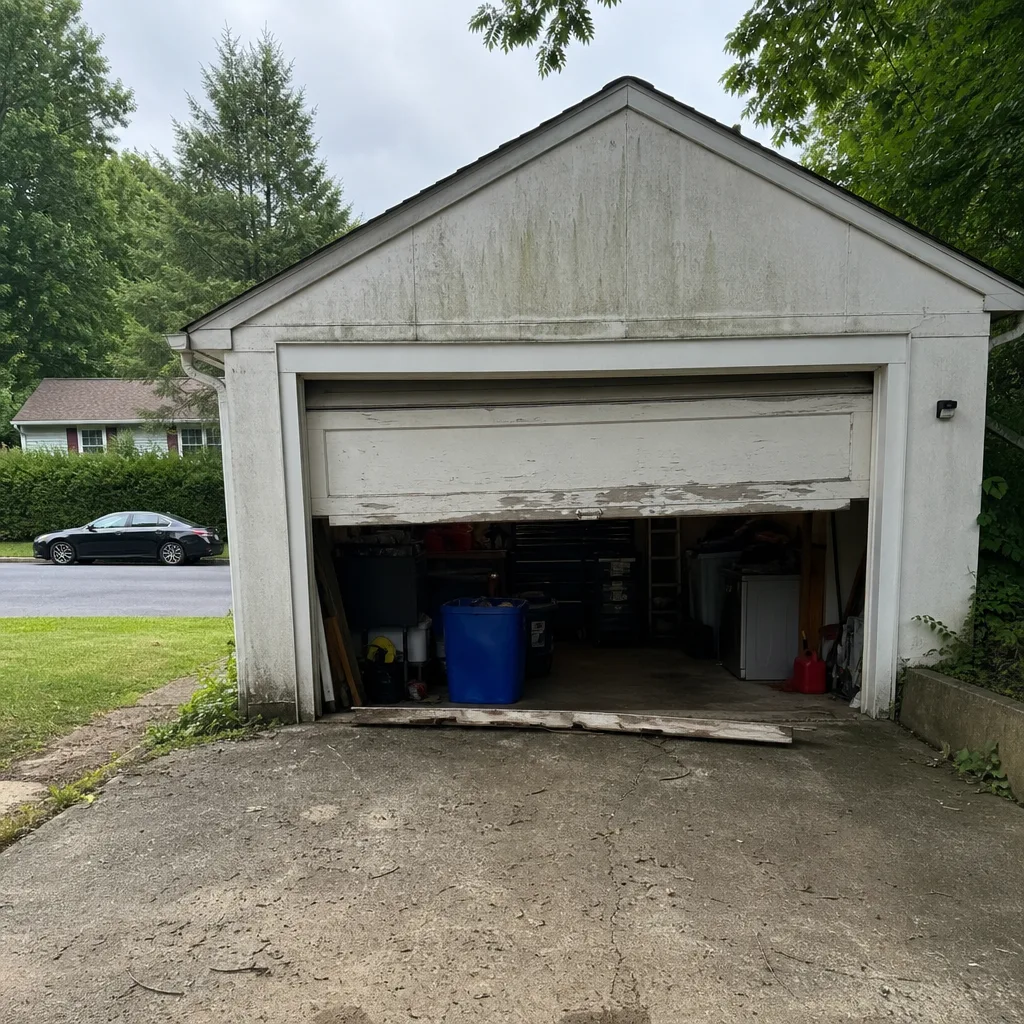 Before
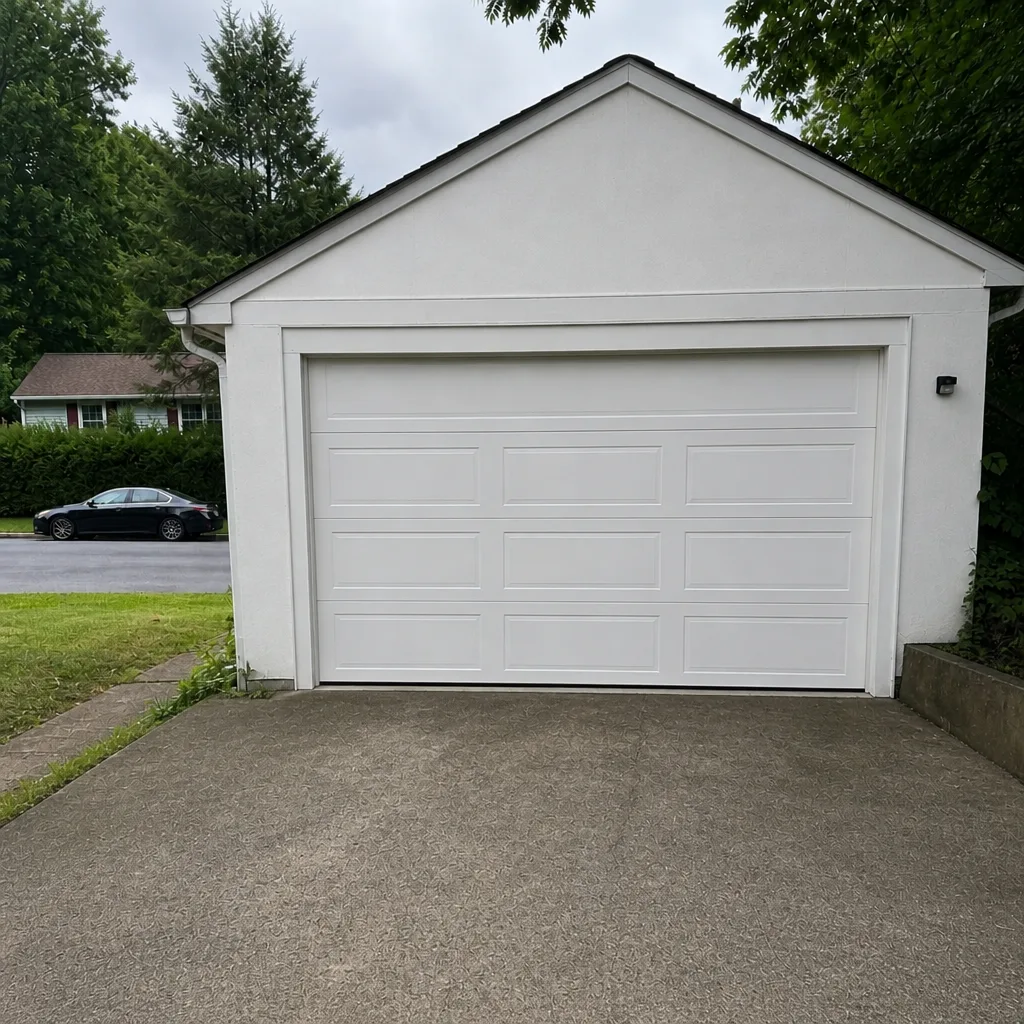 After
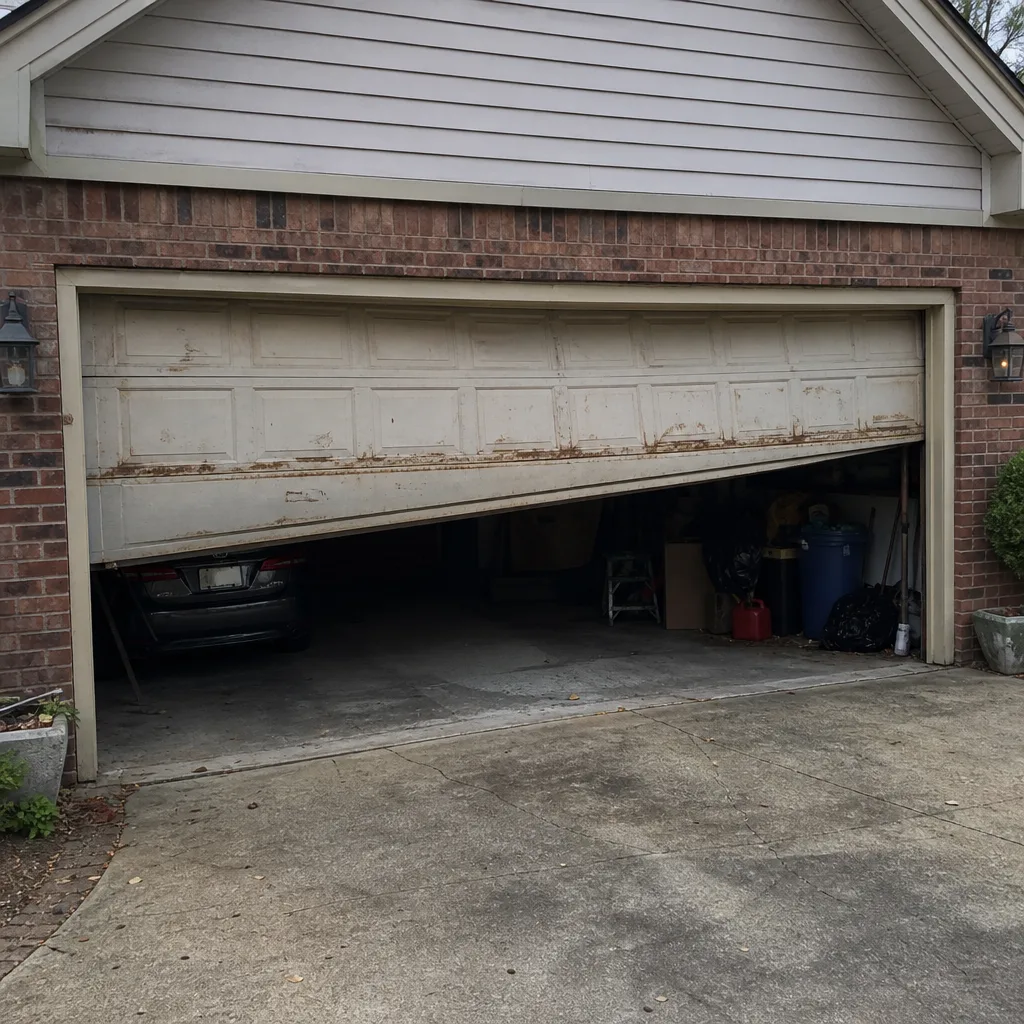 Before
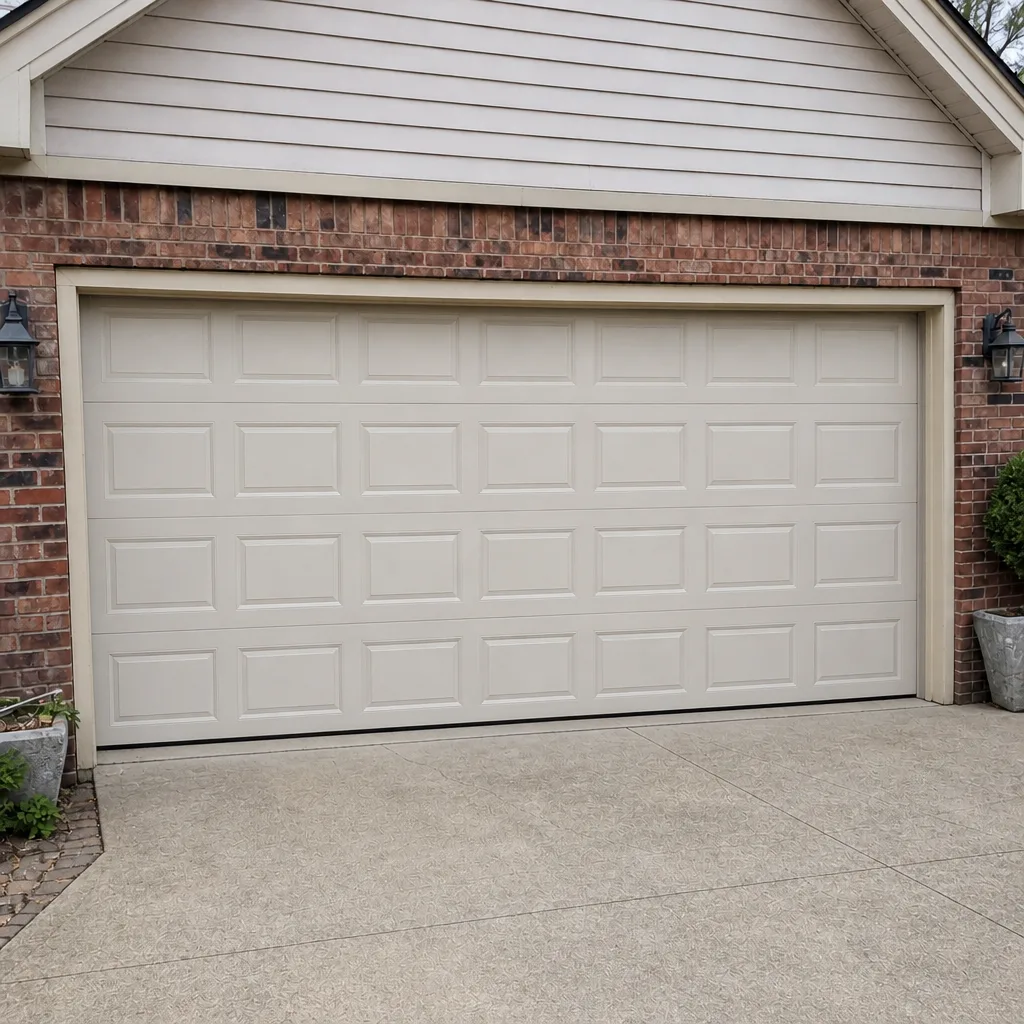 After
When to Call a Professional
If your door won’t open or close, it’s making grinding or popping sounds, it feels heavier than it used to, or it’s hanging crooked, those are signs the mechanism needs attention. A stuck door is also a security gap, so it’s worth addressing promptly. Spring and cable work should always go to a trained technician; they carry too much tension for a DIY fix. When your door fails, response time matters. We answer 24/7. Fast dispatch from 7am to 7pm, Sunday through Friday. Our technicians have up to 15 years of experience and work across all the major brands. Call (855) 629-6238 for a free estimate.
Frequently Asked Questions
If the springs, cables, rollers, or opener are the problem but the panels and frame are sound, repair is usually the right call. If multiple systems are failing at once, panels are structurally compromised, or the door has warped or rusted through, replacement becomes the better investment. A balance test and a visual check of cables will tell you which side of the line you’re on. Call (855) 629-6238 for a free estimate.
A door that feels heavier is usually a sign the springs have lost tension. Springs are under constant tension and gradually weaken over years, especially through McLean’s freeze-thaw cycles. That loss of tension shifts the load onto the opener, which wears it faster. If the door won’t hold midway when disconnected, the springs need attention from a trained technician.
Yes, almost always. HOA rules typically govern appearance (panel style, color, windows) rather than the hidden mechanical parts. You can usually choose the panel style your HOA requires and still have the right spring, cable, and opener system underneath. Get your written guidelines first, then build the door around them. Call (855) 629-6238 for a free estimate.
Usually yes. Springs installed together wear together, so when one breaks, the other is typically near the end of its life too. Replacing a single spring means you’ll likely be back soon for the second. A matched pair restored together gives you consistent balance and predictable life span.
There’s no single best brand; it depends on your door, budget, and whether you want smart-home integration. LiftMaster and Chamberlain are widely installed and have good parts availability. Genie is a solid choice for many homes. A brand-agnostic specialist will recommend what fits your situation rather than steering you to what they stock. Call (855) 629-6238 for a free estimate.
At minimum, run a balance test once a year. Check cables and rollers quarterly for fraying or misalignment. Lubricate hinges and rollers twice a year, and test the safety reverse monthly. McLean’s humid summers and freezing winters are harder on springs and hardware than a milder climate, so the routine matters more, not less.
The Bottom Line
A garage door is the most-used entry point in a McLean home and one of the largest moving systems in the house. Treat it as an asset you manage, not a mechanism you ignore until it fails. That means watching the mechanical side first (springs, cables, tracks, opener), deciding honestly between repair and replacement based on structural soundness, and picking a door and opener on function and fit rather than brand loyalty. Our technicians have up to 15 years of experience across the major brands. The next step is simple: call (855) 629-6238 for a free estimate. We answer 24/7. Fast dispatch from 7am to 7pm, Sunday through Friday.
Written by the team at McLean Garage Door Repair.