
Last updated November 23, 2026
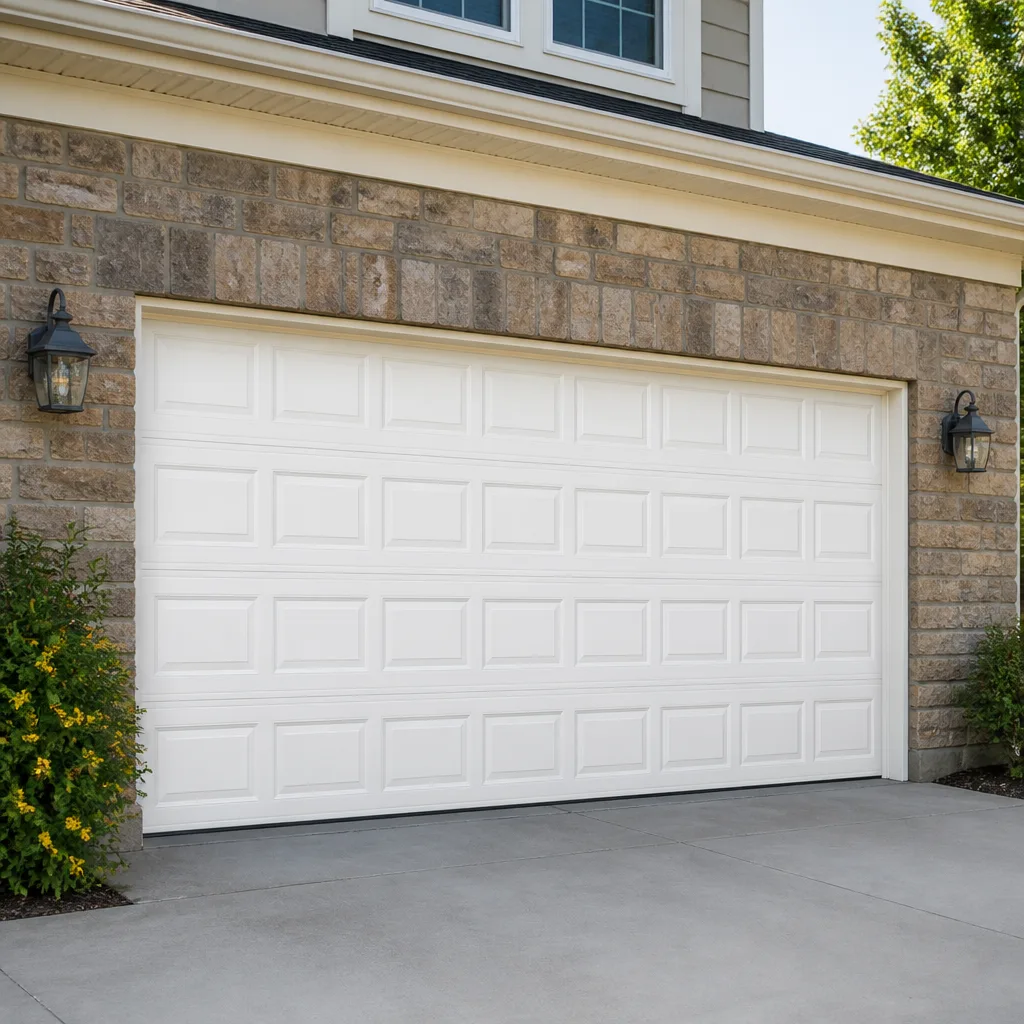 Raised-panel steel
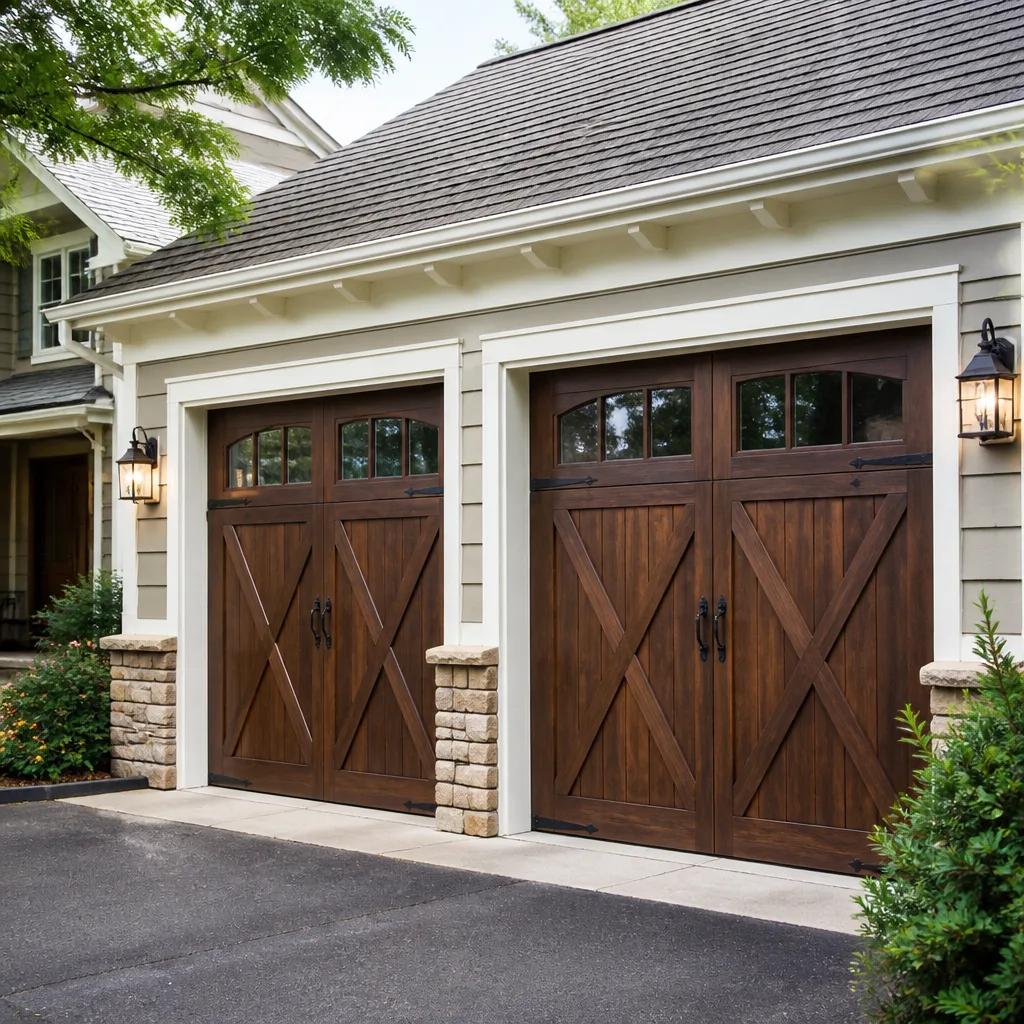 Carriage house
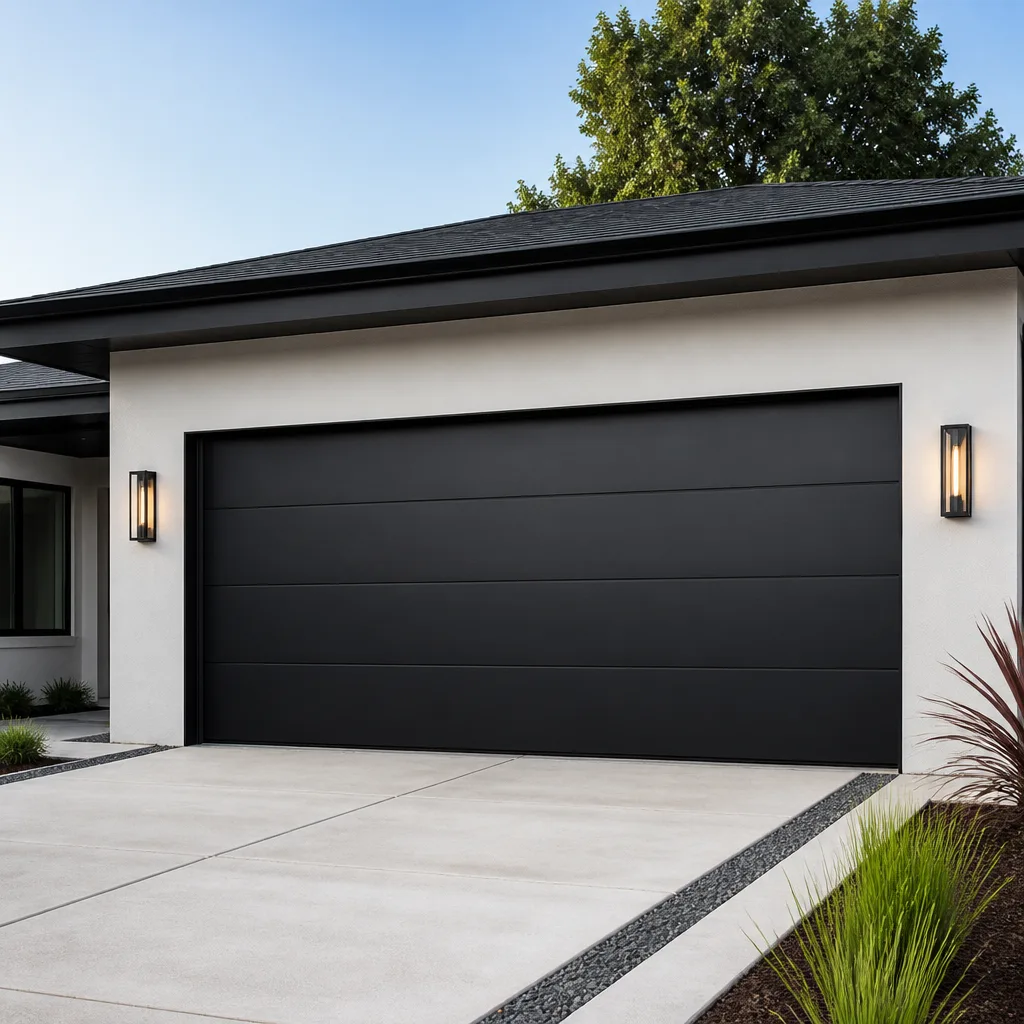 Modern flush
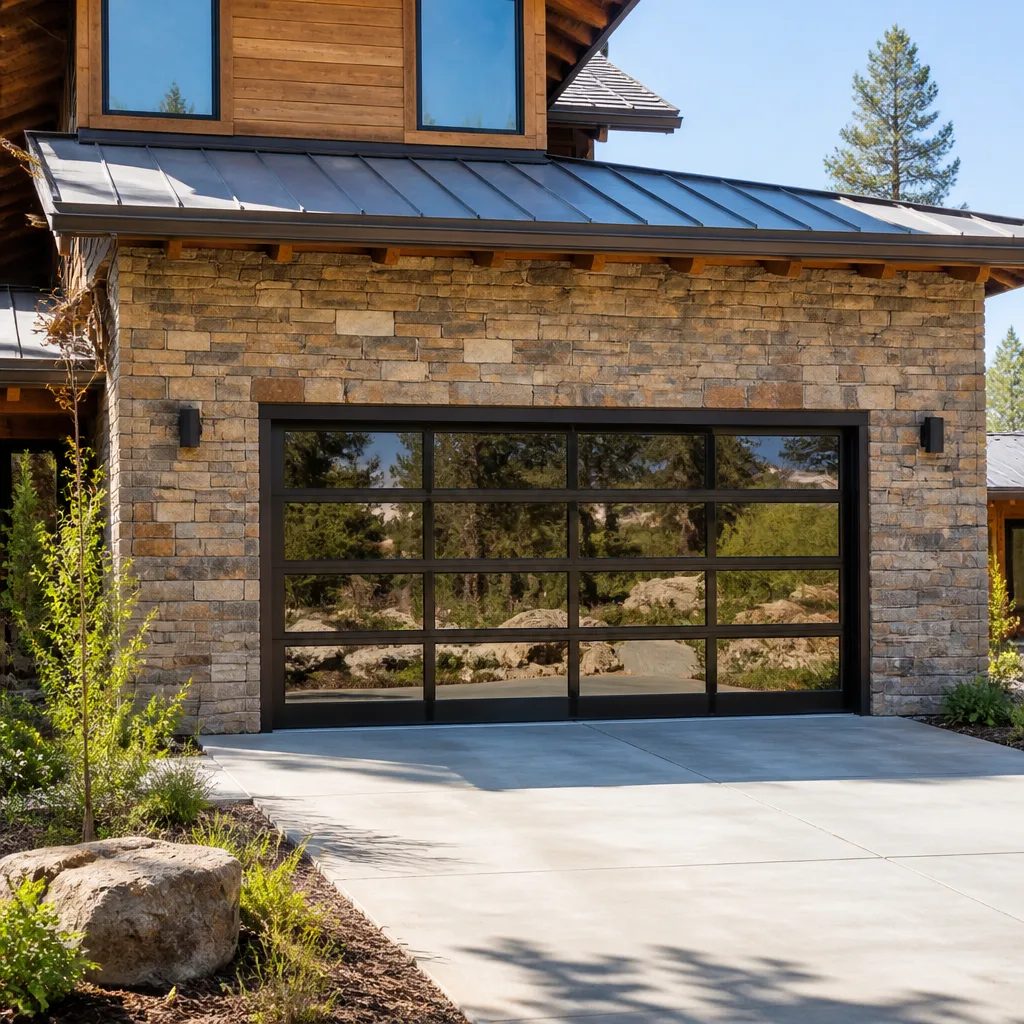 Full-view glass
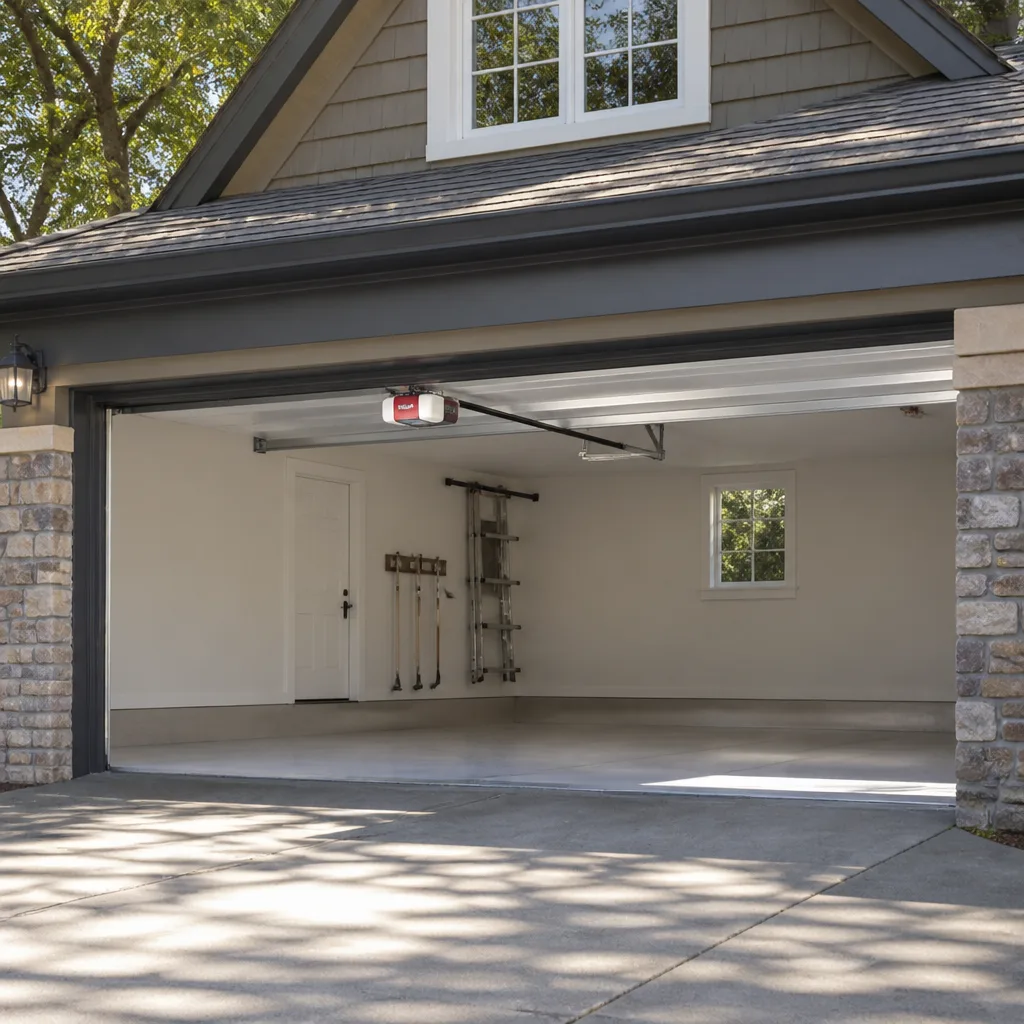 LiftMaster openers
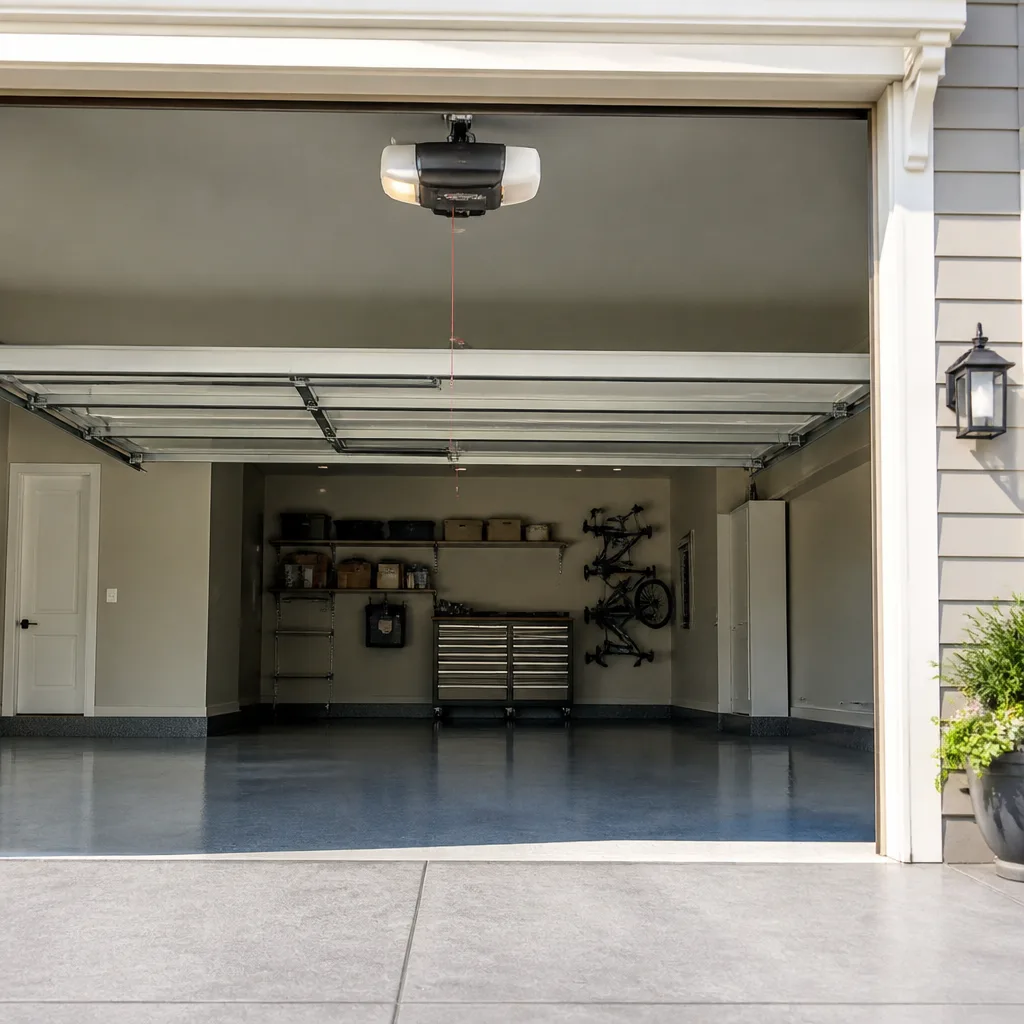 Chamberlain openers
Full 25-point door and opener safety check with every visit - springs, cables, rollers, tracks, and your LiftMaster or Chamberlain opener included
You get a price before we start. It does not change when the pro arrives.
Get your free estimateSeasonal Garage Door Care for McLean: Year-Round Homeowner’s Guide
A garage door that worked fine in October can be stiff, loud, and off-balance by February. Not because anything broke, but because nobody addressed what cold does to torsion spring tension. Here’s the part most homeowners miss: McLean doesn’t have a punishing northern winter, yet it’s arguably harder on a door than a place that does. This area pushes a garage door through four distinct stress modes every year – freeze-thaw, pollen and humidity, summer heat load, and leaf-and-debris season – and each one attacks different components. Care that ignores the cycle leaves gaps. This guide walks you through each season in McLean, what to check, and when to call.
Quick Answer
Seasonal garage door care in McLean means matching your checks to four rotating stress modes: winter freeze-thaw that strains torsion springs and stiffens lubricant, spring pollen that clogs tracks and rollers, summer heat that stresses opener circuit boards, and fall debris that jams the door’s travel. The one task that belongs in every season is a balance check, which you can do in under two minutes. Everything else shifts with the calendar.
Styles & brands we work with
- Raised-panel steel
- Carriage house
- Modern flush
- Full-view glass
- LiftMaster openers
- Chamberlain openers
Table of Contents
- Why McLean’s Climate Is Harder on Garage Doors Than You’d Think
- Winter Prep: The Components That Fail Fastest in McLean Cold
- Spring: Pollen, Tracks, and Roller Care
- Summer Heat Load and Your Opener’s Circuit Board
- Fall Weatherstripping Audit and Debris Season
- The One Task for Every Season: The Two-Minute Balance Check
- Matching Your Care to Your Door and Opener Brand
- A Year-Round Maintenance Calendar for McLean Homes
Why McLean’s Climate Is Harder on Garage Doors Than You’d Think
Most garage door advice is written for one climate at a time. Cold-climate guides obsess over deep freezes. Hot-climate guides talk about heat and sun. McLean sits in a spot that delivers a lighter version of all four seasonal stress modes in a single year, and that rotation is what wears a door out. A component that’s stressed by cold in January, caked with pollen in April, baked by heat in July, and buried under leaf debris in November never gets a clean reset.
Consider how the seasons actually hit a McLean garage door:
- Freeze-thaw cycles – Winter temperatures here swing above and below freezing, so metal contracts and re-expands repeatedly. Torsion springs lose tension and stiffen, and lubricant thickens in the cold.
- Pollen and humidity – Northern Virginia’s heavy tree canopy dumps fine pollen that migrates into tracks and behind rollers, where it mixes with humidity and turns sticky.
- Summer heat load – Attached garages absorb heat, and a hot, poorly ventilated garage raises the temperature around your opener’s motor and circuit board.
- Leaf and debris season – Falling leaves, seed pods, and grit collect in the door’s travel path and jam rollers and hinges.
The practical takeaway: no single annual tune-up catches everything. What catches everything is a rhythm. Check one or two things each season, do the balance check every season, and the door stays in balance year-round. For an actual repair, garage door repair is where most seasonal wear ends up needing attention.
Winter Prep: The Components That Fail Fastest in McLean Cold
The component that fails fastest when temperatures drop below 20°F in McLean is the torsion spring, followed closely by the metal moving parts that dry out in cold, dry air. A torsion spring is a coiled bar of steel under heavy tension. When it gets cold, the steel contracts and stiffens, and the tension it’s holding changes. That’s why a door that felt light in October can suddenly feel heavy or off in December. Cold also thickens lubricant, so hinges, rollers, and the track feel sluggish.
Winter prep is about protecting those parts before the coldest stretch, not after something snaps. Here’s what to address before the first hard freeze:
- Listen and watch the door cycle. Creaks, pops, or a door that hesitates point to parts that need attention. Address them before cold makes them worse.
- Lubricate the moving metal. Hinges, rollers, and the track benefit from a proper garage-door lubricant, not general-purpose oil that can attract dust. Apply it before the season turns.
- Check the spring by feel, not by hand. If the door suddenly feels much heavier to lift, stop and call a professional. Torsion springs are under high tension, and touching or adjusting them without training can cause serious injury. This is a job for a trained technician, not a homeowner.
- Test the opener’s force and travel limits. A cold door resists the opener more, so make sure the opener isn’t straining. If it is, have it checked.
If a spring has already lost tension or broken, garage door spring repair is a dedicated service in McLean for exactly this reason – it’s the most safety-critical repair a door needs, and it’s routinely mishandled by generalists.
Spring: Pollen, Tracks, and Roller Care
Spring in McLean means pollen, and in Northern Virginia’s tree canopy environment that pollen is severe. Fine yellow-green dust settles everywhere, then migrates into the door’s tracks and behind the rollers. Mixed with spring humidity, it turns sticky. A track that looks clean can be quietly gummed up, and the door starts to drag or get noisy.
Spring care is about cleaning that grit out before it does damage:
- Wipe the tracks with a damp cloth. Run a cloth along the inside of each vertical and horizontal track to lift pollen and grit. Dry it after.
- Inspect the rollers behind the door. Rollers that look caked with dust or won’t spin freely need cleaning or replacement. A stuck roller grinds against the track.
- Check the hinges for grit and stiffness. A quick clean and the right lubricant keeps them moving.
- Look at the bottom seal. Winter grit can compromise the seal, so spring is a good time to check it before summer.
Sound during spring is your best diagnostic. A door that squeals or grinds in April usually has grit in the tracks or a roller that’s failing. Left alone, that grit grinds the rollers down and the track with them. If the noise comes from the opener unit rather than the door, garage door opener repair is the place to start.
Summer Heat Load and Your Opener’s Circuit Board
Summer heat is hardest on your opener’s circuit board and motor unit, and the reason is ventilation. A garage door opener’s motor and circuit board are built to run within a temperature range. In a hot, poorly ventilated attached garage, the air around the opener climbs higher than the outdoor temperature, and the board can overheat or fail. The fix isn’t complicated: keep air moving around the motor unit.
Summer care focuses on the opener and on heat management in the garage:
- Clear space around the opener unit. Don’t stack boxes or hang anything close to the motor. The opener needs airflow.
- Keep the garage vented. Propping a window or using a vent helps move hot air out and keeps the whole space cooler.
- Watch for sluggish or erratic operation. An opener that hesitates, reverses unexpectedly, or responds slowly in the heat may be an early sign of a board issue.
- Check the safety sensors. Sun glare through an open garage door can confuse the photo-eye sensors in summer. Make sure they’re aligned and not washed out by direct light.
If your opener acts up in the heat, have it diagnosed rather than pushed. Heat-stressed electronics can fail entirely if ignored. Modern smart-home openers from brands like Genie and LiftMaster have more electronics than older mechanical units, so heat management matters more than it did on simpler models.
Fall Weatherstripping Audit and Debris Season
Fall is when McLean homes see the biggest temperature differential between the garage and the exterior, which makes it the right time for a weatherstripping audit. The weatherstripping – the bottom seal and the perimeter seal around the door frame – is what keeps cold air out and warm air in. Worn, cracked, or compressed stripping lets air leak, and the garage becomes harder to keep comfortable.
Fall care covers both the seal and the debris that piles up:
- Inspect the bottom seal. Look for cracks, tears, or a seal that’s flattened and no longer making contact with the floor. Replace it if it’s failing.
- Check the perimeter seal. The stripping around the door frame can dry and crack. A gap here is a direct path for cold air and pests.
- Clear the door’s travel path. Fallen leaves, seed pods, and grit collect on the floor and in the tracks. Clear them before they jam the door.
- Check the door’s balance again. The season change from summer to fall is a natural point for a balance check (see the next section).
Weatherstripping is one of the cheaper parts of a door, and one of the most overlooked. A failing seal is a quiet contributor to higher energy costs in a McLean home, because it lets the conditioned space leak into the garage.
The One Task for Every Season: The Two-Minute Balance Check
The balance check is the one task that belongs in every season, and it takes under two minutes. It tells you whether your door’s springs are holding equal tension and whether the door is tracking evenly. If you only do one thing all year, do this – every season, without fail.
Here’s exactly how to do it:
- Disconnect the opener first. Pull the manual release cord (usually a red handle) to disengage the opener from the door, so the door moves freely by hand.
- Lift the door to about halfway. Raise it slowly to roughly the midpoint of its travel and let go gently.
- Watch what happens. A balanced door should stay roughly where you let it go, or drift only slightly. A door that slams down, or one that springs back up on its own, is out of balance.
- Reconnect the opener. Push the door back down, reconnect the manual release, and reconnect the opener.
An out-of-balance door is telling you the springs are uneven or weakening. That’s a spring issue, and springs are under high tension. Don’t try to adjust them yourself; have a trained technician check the springs and the door’s balance. Doing this check each season is how you catch weakening springs before they break. Here at McLean Garage Door Repair we’d rather see a door in balance than replace a broken spring.
Matching Your Care to Your Door and Opener Brand
Seasonal care is broadly the same across brands, but the specifics differ. Knowing your door’s panel brand and your opener’s brand helps you and your technician diagnose faster and source the right parts without guesswork. We work on your brand, and we’re factory-familiar with the industry’s leading names.
The most common door panel brands in McLean homes include Clopay, Amarr, Wayne Dalton, and Raynor. On the opener side, the most common are LiftMaster, Chamberlain, Genie, and Craftsman. Why the distinction matters:
- Panel brands determine the door’s hardware, hinge type, and seal style. A weatherstripping replacement needs the right seal for the right panel.
- Opener brands determine the electronics, sensor behavior, and travel-limit adjustments. Heat-related opener issues look different on a Genie than on a LiftMaster.
We’re certified to service eight of the industry’s most widely installed door and opener brands, with no single-brand bias. That means brand recommendations are based on your door, budget, and use case – not a dealer agreement.
A Year-Round Maintenance Calendar for McLean Homes
Here’s the whole cycle at a glance. This is the rhythm that works for a McLean garage door:
- Winter (freeze-thaw): Lubricate moving metal, test the opener’s force, check spring feel, and do the balance check.
- Spring (pollen): Wipe the tracks, clean behind the rollers, check hinges, and do the balance check.
- Summer (heat): Clear airflow around the opener, keep the garage vented, test the safety sensors, and do the balance check.
- Fall (debris and seal): Audit the weatherstripping, clear the travel path, inspect rollers, and do the balance check.
Add a professional inspection once a year for a thorough going-over, and you’ve covered the whole cycle. When something does break, garage door repair is the call to make rather than a general handyman who isn’t familiar with the brand.
Common Mistakes to Avoid
- Treating McLean like one climate. Using a single cold-climate checklist misses the pollen, heat, and debris that do their own damage the rest of the year. Match your checks to the season.
- Skipping the balance check. It takes two minutes and catches weakening springs before they break. It’s the single most valuable habit in this guide.
- Using general-purpose oil on the tracks and rollers. It attracts dust and grit, which turns into a grinding paste. Use a garage-door-specific lubricant.
- Assuming a stiff door in winter is broken. Often it’s cold-thickened lubricant and stiffened springs. Prep before the freeze instead of waiting for a failure.
- Ignoring pollen buildup in the tracks. In Northern Virginia’s tree canopy, pollen and humidity combine to gum up the tracks. Wipe them in spring before the door drags.
- Blocking air around the opener. Stacking boxes next to a hot garage’s opener traps heat around its circuit board. Keep the motor unit clear.
- Adjusting springs or weatherstripping without checking the fit. Springs are under high tension and wrong-size seals leak. Have a technician handle both.
See the difference
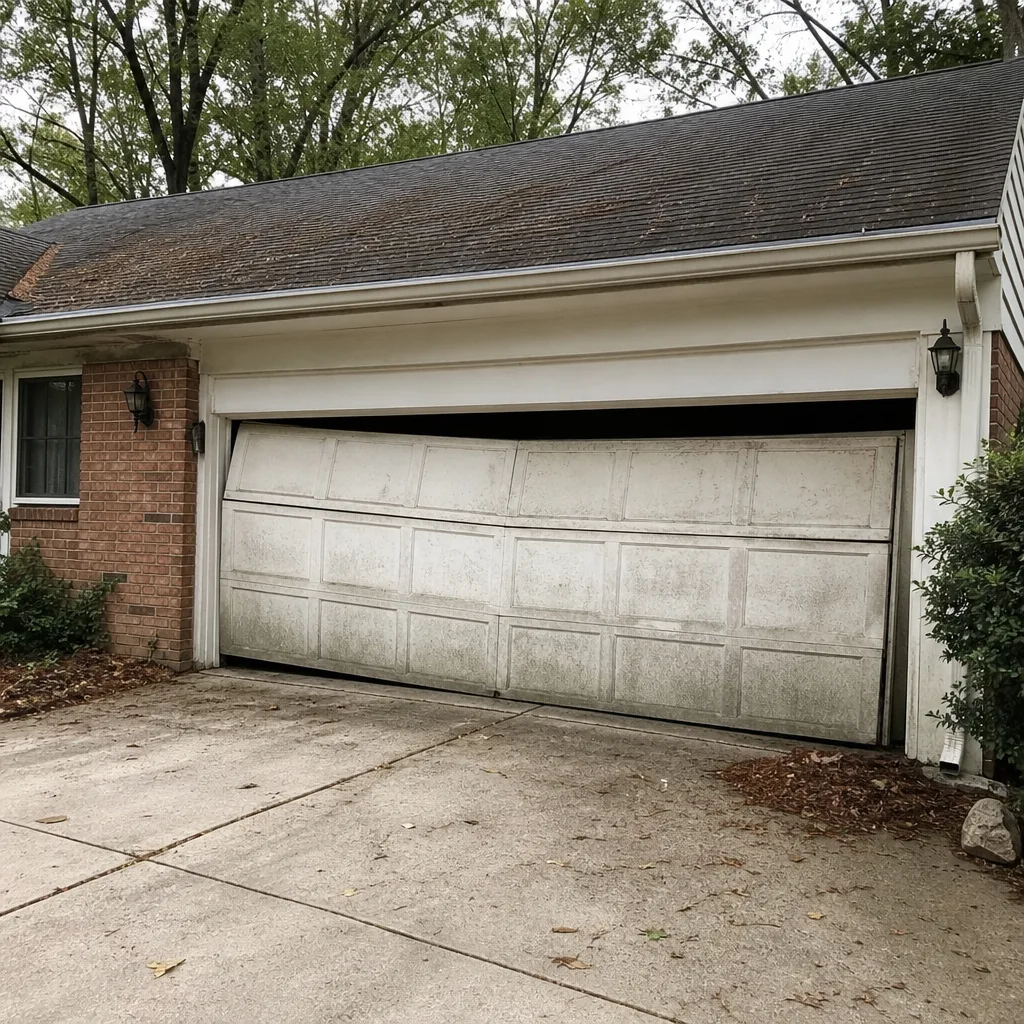 Before
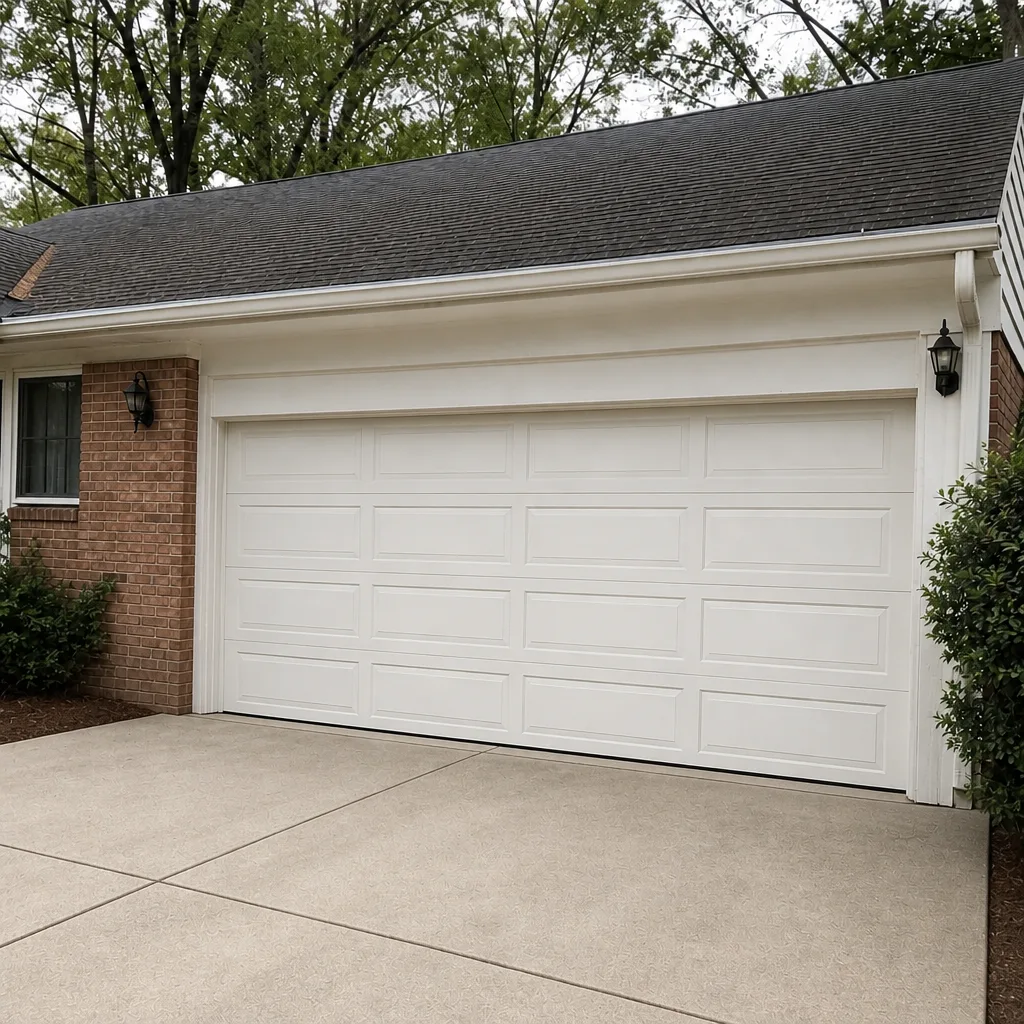 After
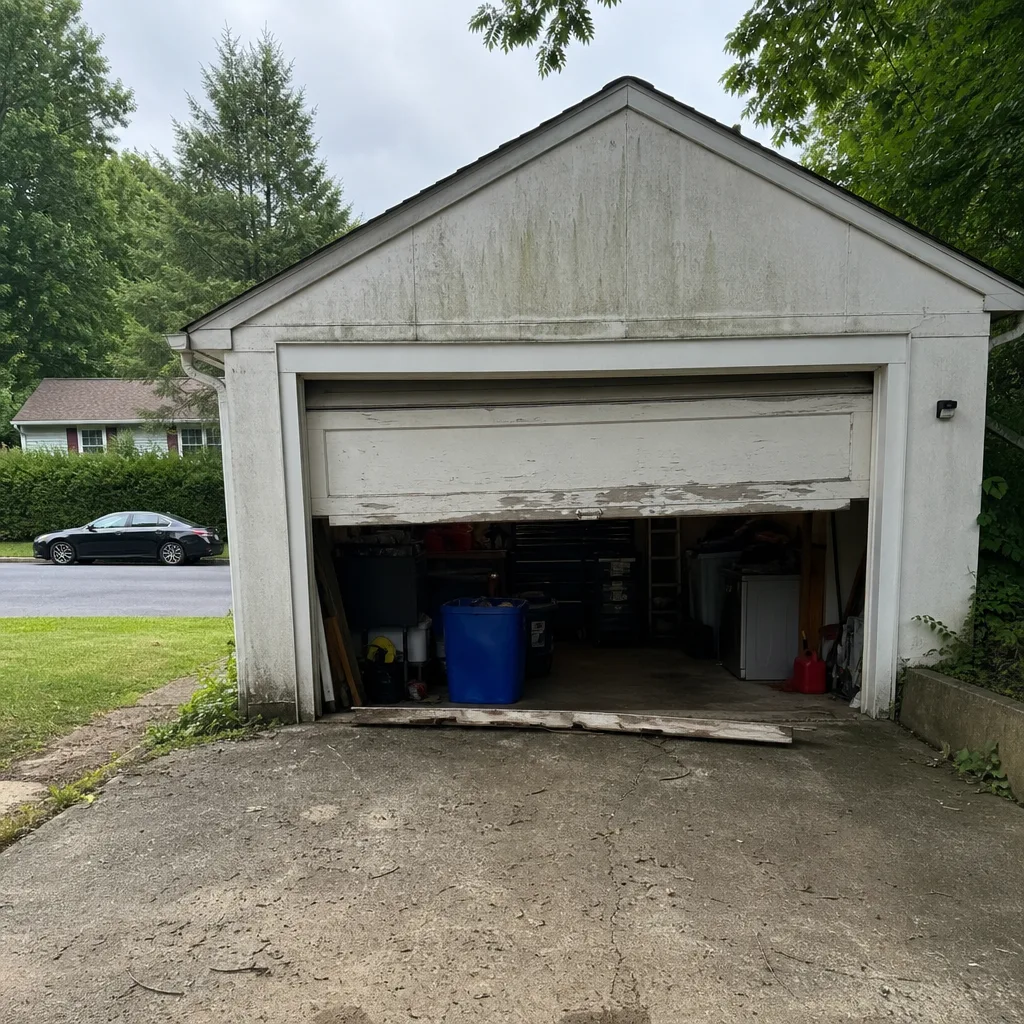 Before
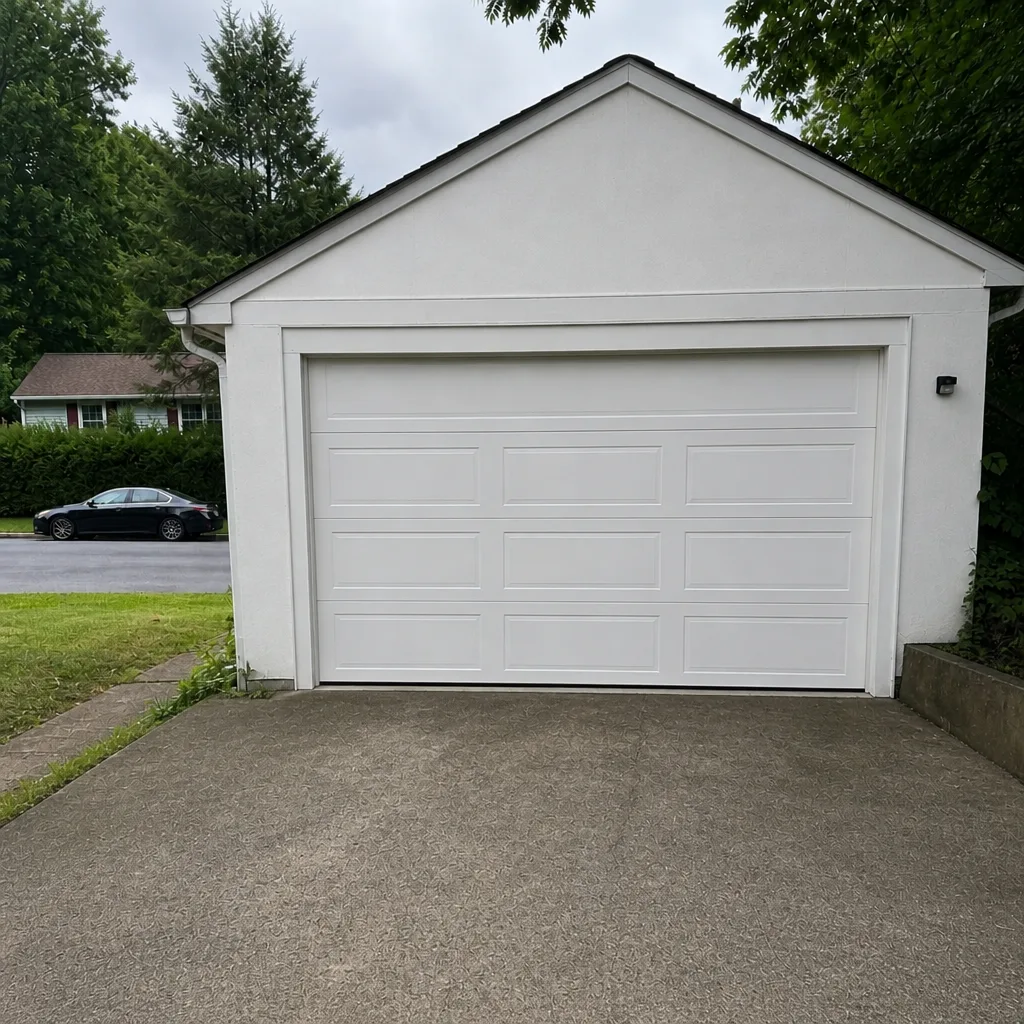 After
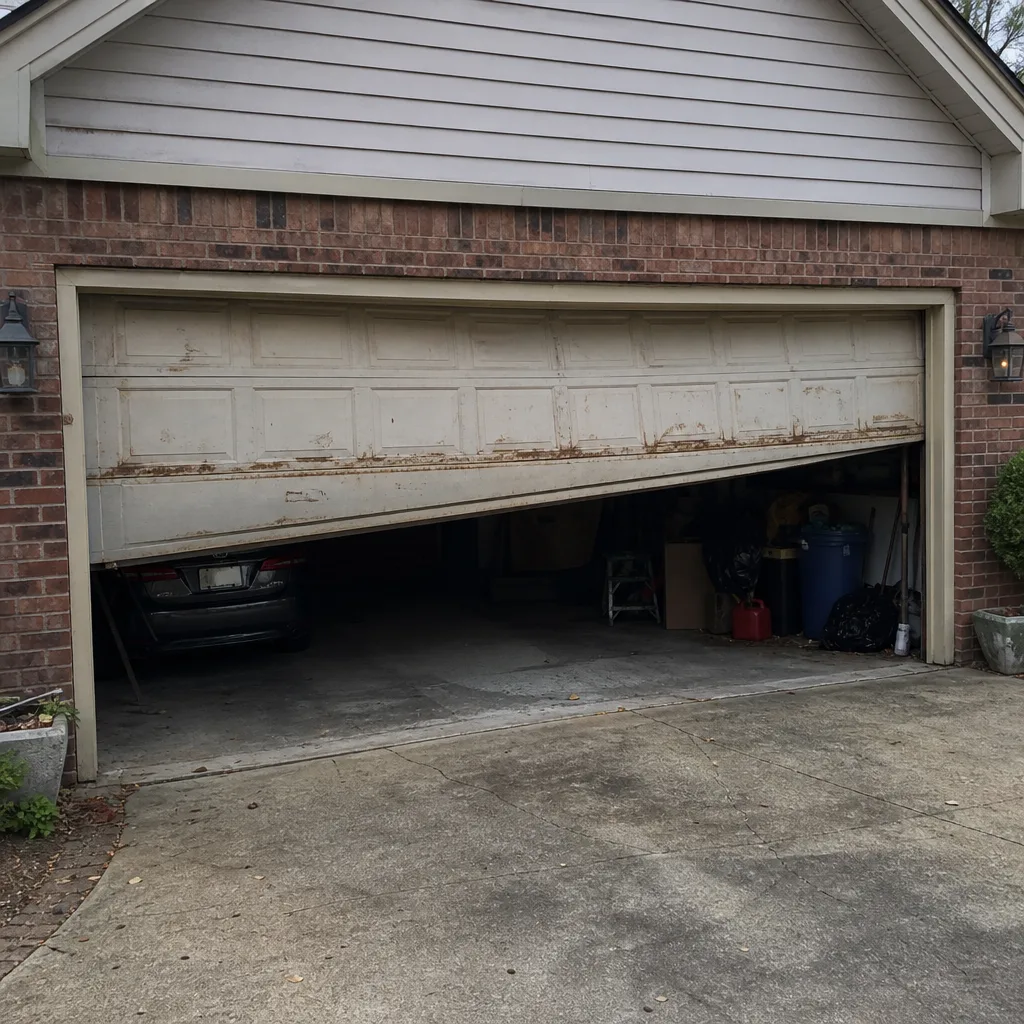 Before
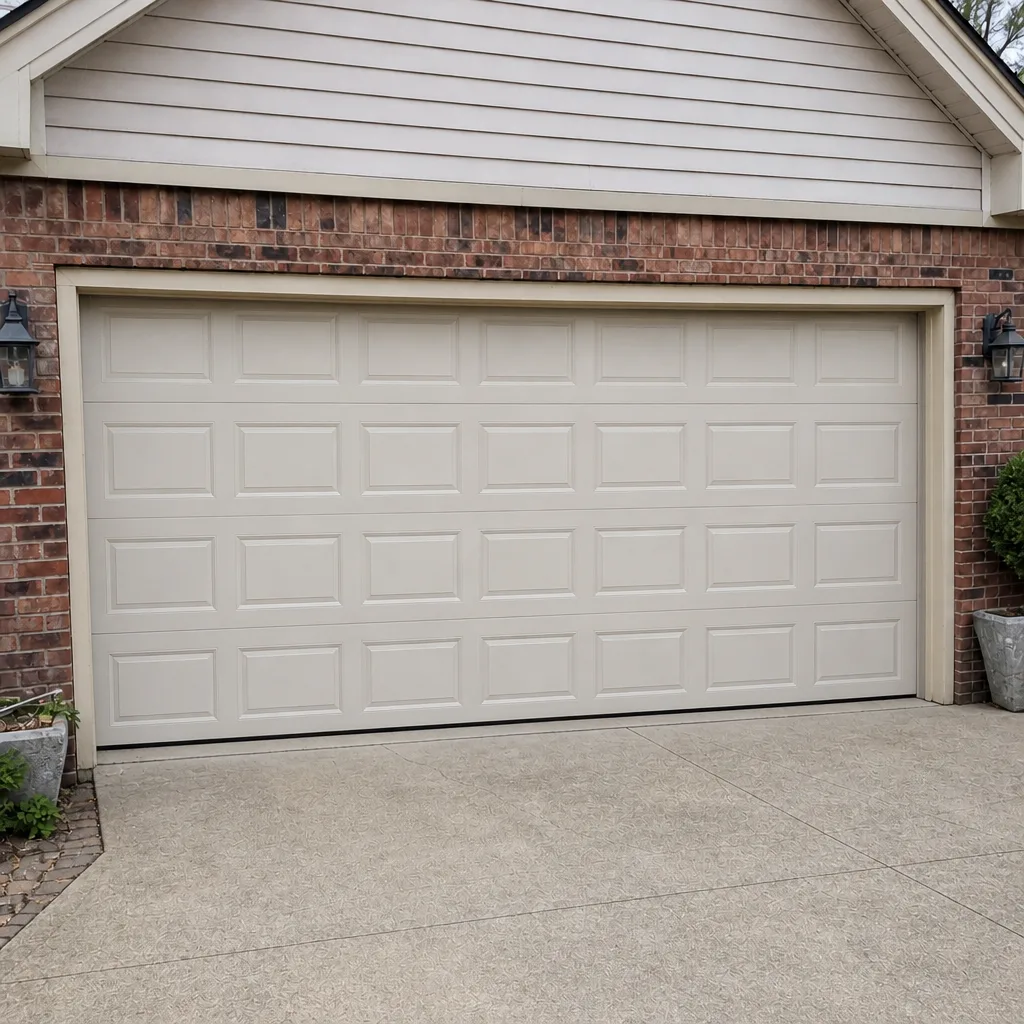 After
When to Call a Professional
Some seasonal care is homeowner work: wiping tracks, clearing debris, lubricating. Some of it isn’t. Call a professional when the door feels suddenly heavy, when the balance check shows it slamming or springing up, when a spring looks broken, when the opener stumbles in heat, when the weatherstripping needs replacing, or when you hear grinding that doesn’t go away after cleaning. Springs are the biggest one – they’re under high tension and a genuine injury risk, so leave adjustment and replacement to a trained technician. If a door has failed entirely, we offer emergency service for situations where a malfunctioning door creates a safety or security threat. McLean Garage Door Repair offers free estimates in McLean – call (855) 629-6238. We answer 24/7, and dispatch runs Sunday through Friday from 7am to 7pm. No work starts until you’ve agreed to a written price.
Frequently Asked Questions
Do a light seasonal check four times a year – winter, spring, summer, and fall – each aligned to that season’s biggest stress mode. Add one professional inspection a year. That balance catches the four rotating stress modes before any single one does real damage.
Cold thickens lubricant and stiffens torsion spring tension, so hinges, rollers, and springs don’t move as freely. Prep before the freeze by lubricating the moving metal and checking spring feel. If the door is suddenly much heavier, have a technician check the springs – don’t adjust them yourself.
Yes, if you have trees nearby. Northern Virginia’s tree canopy produces heavy spring pollen that settles into tracks and mixes with humidity. Wipe your tracks at least once in spring, and again if the door sounds gritty. Keeping the tracks clean protects your rollers.
Heat-stressed openers can hesitate or reverse, and the cause is often a hot, poorly ventilated garage. Clear space around the motor unit and keep the garage vented. If it keeps acting up, have the opener and its circuit board diagnosed rather than pushed.
Yes, and you should every season. Disconnect the opener, lift the door halfway, and let go – a balanced door stays roughly in place. If it slams or springs up, the springs are uneven or weakening, and that’s a job for a trained technician, not a DIY fix.
Your written estimate sets the price. We quote and agree the work before anything starts, so there are no surprises once we’re on site. Call (855) 629-6238 for a free estimate. Estimates are free and the price is set per job by the written estimate.
The Bottom Line
McLean’s four-season stress cycle is what wears a garage door out, and care that ignores it leaves gaps. Address freeze-thaw in winter with lubrication and a spring check, pollen in spring with track and roller cleaning, heat in summer with airflow around the opener, and weatherstripping in fall before the temperature differential widens. And do the balance check every season – it takes under two minutes and catches weakening springs before they break. Match the rhythm to the season, know your door and opener brands, and the door stays in balance year-round. When something needs a trained technician, call a specialist.
Ready to get your garage door on a year-round care rhythm? Call McLean Garage Door Repair at (855) 629-6238 for a free estimate. We answer 24/7. Fast dispatch from 7am to 7pm, Sunday through Friday. Our technicians have up to 15 years of experience, and we work across the leading door and opener brands.
Written by the team at McLean Garage Door Repair.