
Last updated November 23, 2026
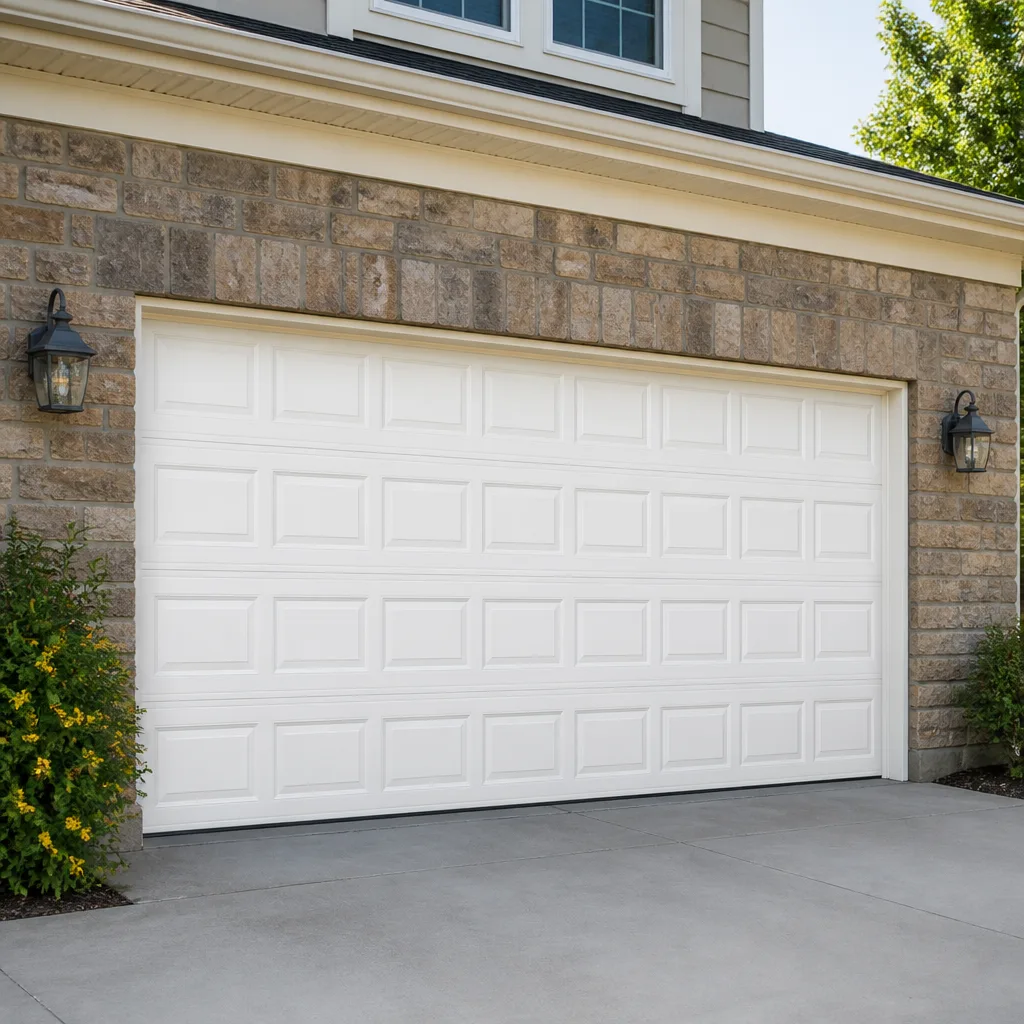 Raised-panel steel
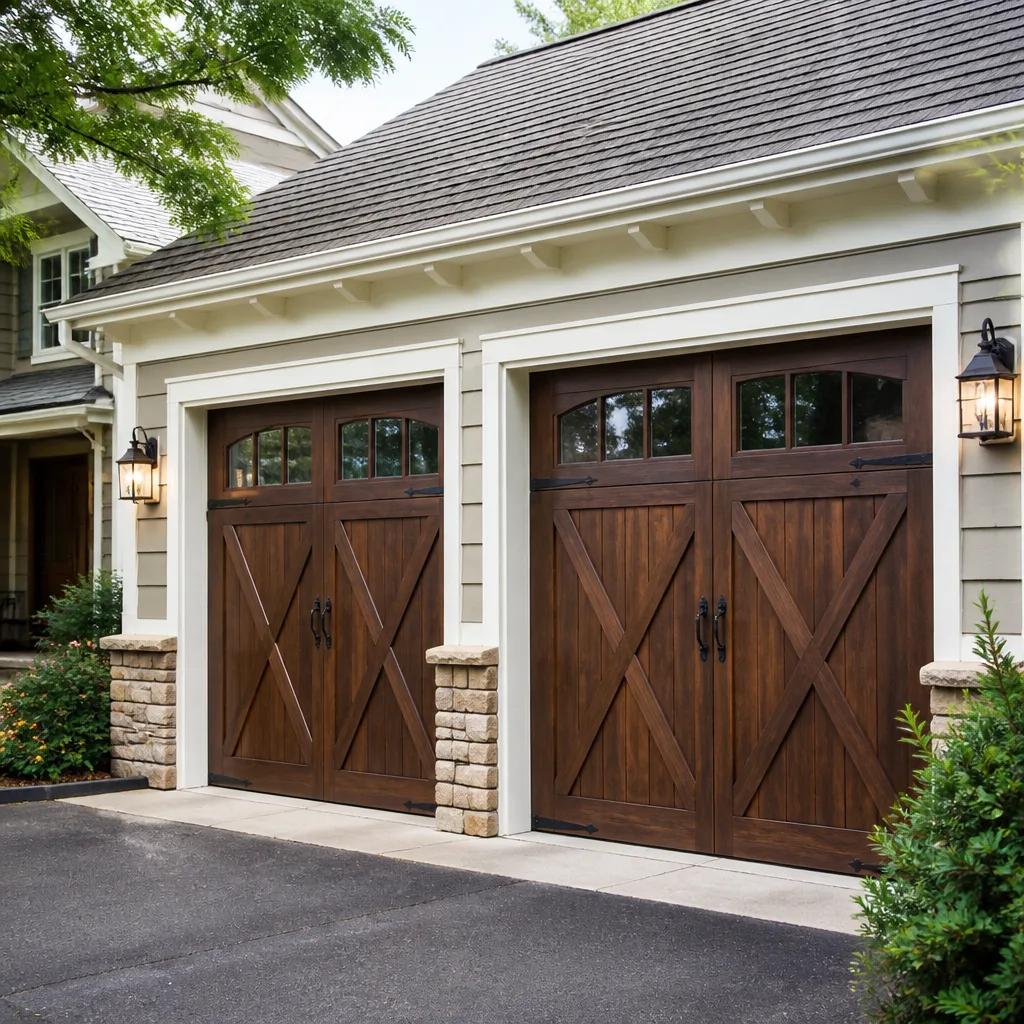 Carriage house
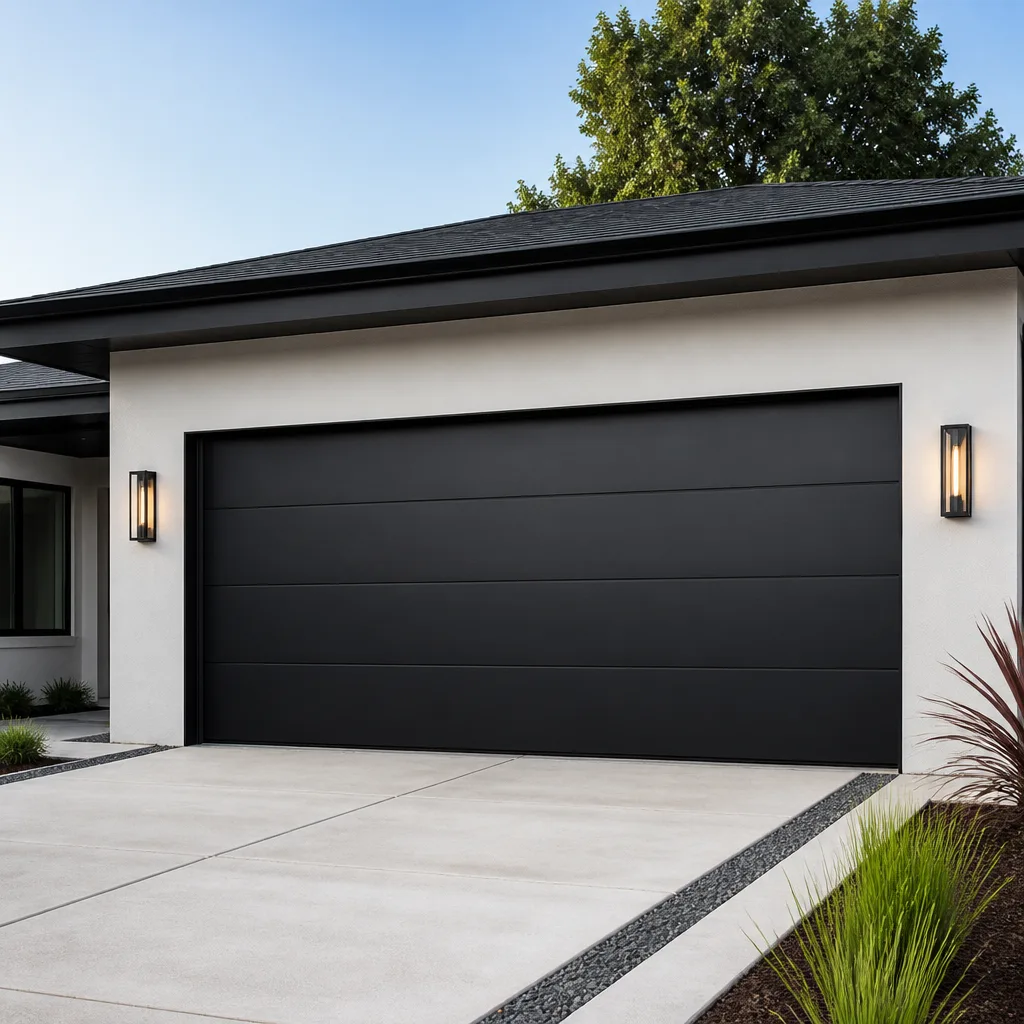 Modern flush
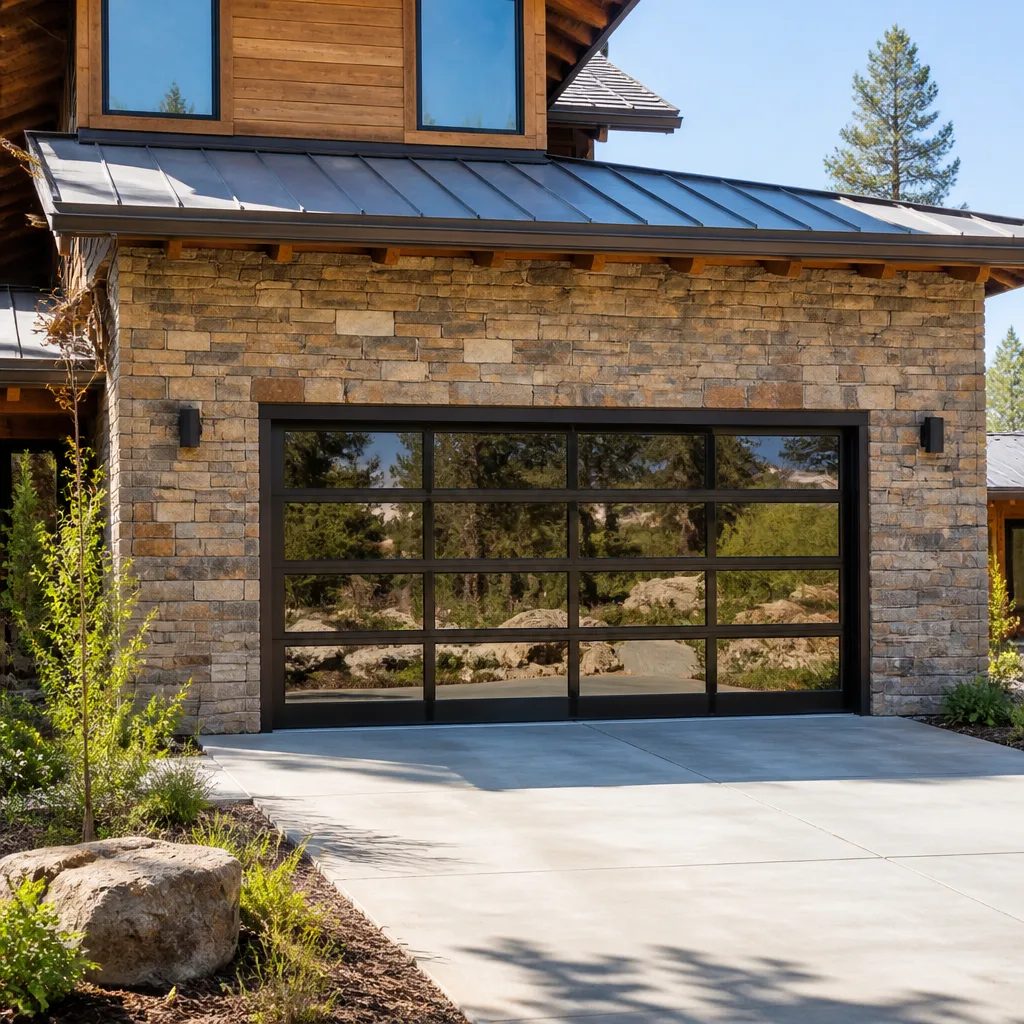 Full-view glass
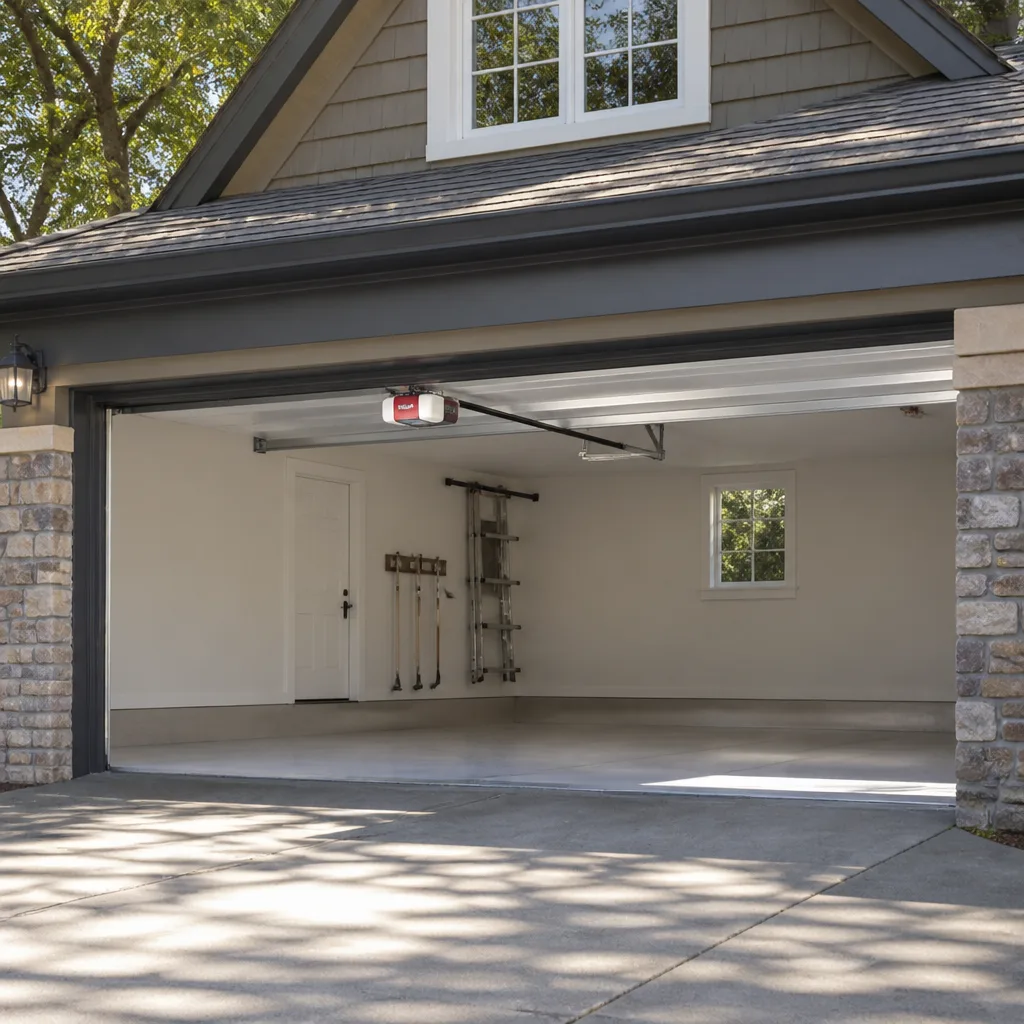 LiftMaster openers
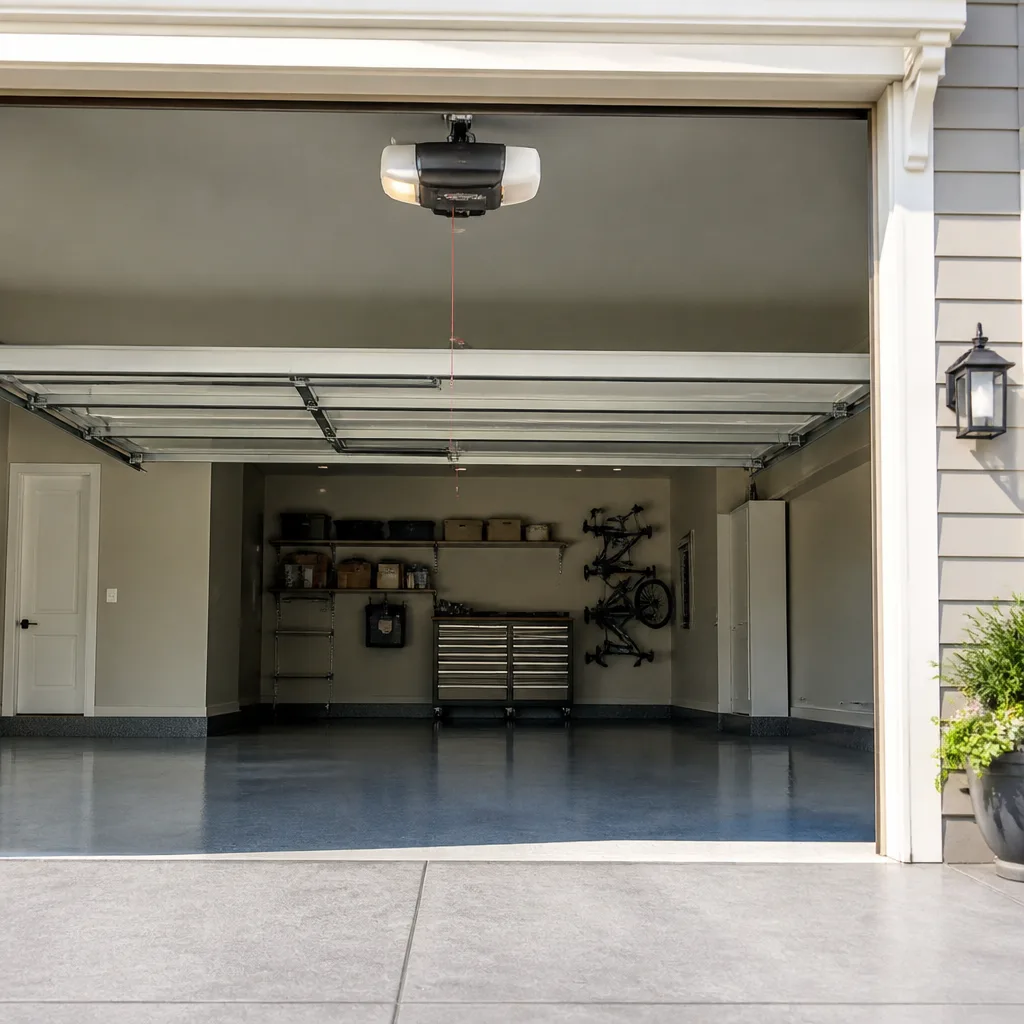 Chamberlain openers
Full 25-point door and opener safety check with every visit - springs, cables, rollers, tracks, and your LiftMaster or Chamberlain opener included
You get a price before we start. It does not change when the pro arrives.
Get your free estimateGarage Door Emergency Preparedness Guide for McLean Homes
If your garage door fails closed during a power outage and you have never used the manual release, your car stays trapped until the power returns or until you find that one pull cord. The counterintuitive part is this: most garage door “emergencies” in McLean are not mechanical catastrophes. They are a stalled opener, a tripped sensor, or a door that needs a single deliberate pull in the right sequence. The difference between a ten-minute reset and a panicked call often comes down to whether you knew what to do before it happened. This guide walks through both failure types, the manual release procedure most tutorials skip, and what to have ready in advance.
Quick Answer
A garage door emergency in McLean falls into one of two categories, and each needs a different response. If the door will not open, the priority is getting safe access through the manual release cord and checking the opener and power source. If the door will not close, the priority is securing the opening and keeping people and vehicles clear, because a door stuck partly open or cycling unevenly can drop. Either way, the smartest move is to stop operating the door, secure the space, and call a specialist who can diagnose it. Call (855) 629-6238. We answer 24/7. Fast dispatch from 7am to 7pm, Sunday through Friday.
Styles & brands we work with
- Raised-panel steel
- Carriage house
- Modern flush
- Full-view glass
- LiftMaster openers
- Chamberlain openers
Table of Contents
- The Two Types of Garage Door Emergencies
- How to Use the Manual Release (The Steps Most Guides Skip)
- When Your Door Is Stuck Open: Securing the Opening
- What to Do the Moment a Spring Breaks
- Power Outages and Your Opener
- Who to Call in McLean and What to Tell Them
- The Pre-Emergency Kit Every McLean Home Should Have
- Prevention: How to Spot Trouble Before It Fails
The Two Types of Garage Door Emergencies
Nearly every garage door call we take in McLean comes down to one of two situations, and they pull in opposite directions. The first is a door that will not open. You are boxed in, your car is behind the door, and your day stops until it is resolved. The second is a door that will not close. Now the problem is exposure: the house is open to the driveway, the weather, and anyone walking past.
The protocol for each is different, and that is the whole point of thinking this through ahead of time. A door that will not open is usually a power, opener, or release issue, and you may be able to fix it in a few minutes yourself. A door that will not close is a security and safety issue, and your job is to secure the opening and get professional eyes on it rather than force it.
How the two break down
- Won’t open – likely soft causes: dead opener remote battery, tripped circuit breaker, a power cut, a disconnected manual release, a locked-out wall control, or a broken torsion spring that leaves the door too heavy for the opener.
- Won’t open – likely hard causes: snapped spring, broken cable, bent track, dead opener motor, stripped gear.
- Won’t close – likely causes: misaligned safety sensors, an obstruction in the photo-eye beam, a bent track pinching the door, or a limit switch out of adjustment on the opener.
- Won’t close – serious causes: a broken spring or cable that makes the door unbalanced, a door off its track, or a bent panel that no longer sits square in the frame.
In our experience across McLean neighborhoods, a large share of “won’t close” calls are simply a photo-eye sensor knocked slightly out of line by a bicycle, a recycling bin, or a broom handle leaning against it. That is a two-minute fix. The rest – springs, cables, tracks, and panels – need a trained technician. Knowing which bucket you are in before you pick up the phone saves you time and sets the right expectation. It also means you can tell us exactly what is happening when you call, which helps us match the right technician and the right parts the first time.
How to Use the Manual Release (The Steps Most Guides Skip)
The manual release is the cord with the red handle that hangs from the trolley on your opener rail. Pulling it disconnects the door from the opener so you can lift it by hand. Most tutorials stop there. The part they skip is that the release only works cleanly when the door is in a specific position and when the operator does not panic. Handled too roughly or at the wrong moment, the door can come down hard on its own – and that is where injuries happen.
If the door is closed and the opener is dead, you can release it. If a spring has already snapped, the door is now very heavy, and lifting it by hand is not safe. That is the single most important nuance most people miss: a manual release on a door with a broken spring puts a lot of weight in your hands. If you pull and the door barely budges or feels impossibly heavy, stop and call for help.
The safe sequence
- Make sure the door is fully closed. Do not try to release the door while it is moving, halfway up, or hanging open. Fully closed is the position where the door is stable on its own.
- Clear the area. Nobody under the door, nothing resting against it, no pets wandering into the frame. Kids and cars out of the way.
- Disengage the door from the opener. Pull the red release cord firmly downward (not sideways) once the door is closed. On most openers this disconnects the trolley.
- Test the weight gently. Lift the door a few inches by hand. If it rises smoothly, the springs are holding and you can lift the door all the way up. If it feels extremely heavy or won’t budge, stop. Do not force it.
- If it moves smoothly, raise it fully and prop it. Lift it all the way up and, if you will leave it up, prop it or clip it in place so it does not slide down on its own.
- When power is back, re-engage the door. Occasionally the trolley will not reconnect on the first try. Cycle the opener once (press the wall button), let the carriage move, and it typically snaps back in. If it will not re-engage, do not force it – the carriage may be jammed.
What to do when the cord is stuck
A stuck cord on a manual release is common and rarely serious. Usually the trolley is in a bind against the rail and a gentle nudge on the door while you pull the cord will free it. If the door is heavy or the cord has retracted entirely out of reach, that is your signal to stop and call a technician. Do not climb a ladder while holding the door, and do not try to cut the cord loose. If the door will not cooperate and the opener is dead, that is a genuine garage door repair call, not a DIY problem.
When Your Door Is Stuck Open: Securing the Opening
A door that will not close is the opposite problem from a door that will not open, and it gets less attention than it should. The house is open to the driveway. Your tools, bikes, and whatever you store in the garage are visible from the street. That is a security gap, and it should be treated like one – not with panic, but with a clear plan for the hours between calling and arrival.
In McLean, where many homes have a garage that opens directly to a driveway facing the street, a door stuck open overnight is a real exposure. The fix is temporary and simple, and it buys you time until a technician arrives.
Makeshift security while you wait
- Do not force the door down. If a spring, cable, or track is the cause, pushing the door closed can bend a panel or, worse, snap a cable under tension. Leave it up.
- Block the visual sightline. A tarp, a moving blanket, or a couple of tall folded cardboard boxes across the opening hides the contents from the street without putting weight on the door.
- Add a visible deterrent. A motion light aimed at the driveway, or a parked car moved to the end of the drive, changes the look of the property from “open” to “occupied.”
- Lock the door into the house. If the garage door connecting to the interior has a deadbolt, use it. That is the door that matters tonight.
- Move anything valuable inside. If you can reach the items in the garage safely from the driveway without walking under the door, move the most valuable things inside and skip the rest.
What you should not do is try to jam the door partway down with a brick or a piece of wood under the bottom edge. A door held open under partial weight is not stable, and if the roller slips, the door can fall on whatever is under it. If the door is already fully open and stable at the top, leave it up and block the view. If it is stuck partway, keep everyone clear and treat it as a call-now problem.
What to Do the Moment a Spring Breaks
A garage door spring break is one of the loudest, most alarming sounds in a house – often described as a bang like a gunshot. The springs above your door hold the door’s full weight. When one lets go mid-cycle, the door becomes extremely heavy in an instant, and the opener or a person trying to hold the door up is suddenly managing weight nobody expected.
The critical point is what you do in the first sixty seconds. Most people’s instinct is to run to the door and try to help it. Do not. The door is now an unstable object, and the safest thing you can do is keep everyone away from it.
The immediate protocol
- Stop pressing the opener button. It will not lift a door with a broken spring, and repeated attempts can burn out the opener motor or strip the drive gear.
- Keep everyone off the door. Do not try to lift it, prop it, or close it. If it is partway open, leave it where it is and keep kids, pets, and cars out of the path.
- Check whether the door is sitting level. From a safe distance, look at the door. If one side is higher than the other or the bottom edge is out of square, the door is unbalanced and should not be operated at all.
- Secure the opening. If the door is open, treat it like the “stuck open” situation above and block the sightline until help arrives.
- Call for spring repair. Springs are under high tension and dangerous to touch. This is genuinely not a DIY job. A trained technician has the winding bars, the door lockout, and the procedure to replace a garage door spring safely. Matching the correct spring to your door’s weight is also part of the job, and getting it wrong shortens the life of the new spring and can damage the opener.
Springs are usually replaced as a matched pair, not one at a time, because the second spring has already spent the same years under the same load as the one that failed. If you replace only one, you will likely be back for the other before long. We will always explain the condition of both before any work is quoted.
Power Outages and Your Opener
A power outage is the most common reason a working door suddenly “won’t open,” and it is the one most easily dealt with. Your opener is dead through no fault of its own, and the door is intact. The question is whether you can get out – and with the right sequence, you can.
Start by confirming the power is actually out. Check the circuit breaker for the garage, then check whether a light elsewhere in the house is still on. Garage openers are usually on their own breaker, and a tripped breaker will mimic an outage exactly. Reset it once. If it trips again, that is an electrical issue for an electrician, not a garage door problem.
Once you have confirmed it is a genuine outage
- Use the manual release following the closed-door sequence in the section above. Lift the door by hand, exit, and close it by hand behind you.
- Do not leave the door disconnected indefinitely. The opener will not reconnect until power returns. If you need the door to lock in the meantime, use the manual slide lock on the door if it has one.
- Check the opener’s battery backup if it has one. Some modern openers from LiftMaster and Chamberlain run on a battery for a limited number of cycles during an outage. If yours has this feature, you may not need the manual release at all.
- When the power comes back, press the wall button once to re-engage the trolley, then run the door through a full open-close cycle and watch it. If it operates normally, you are done. If it cycles unevenly or throws a fault code, stop and call.
If your opener is old enough that the display is a light that just blinks, and you are not sure what the diagnostic codes mean, that is often when a specialist saves you a lot of guessing. We work with LiftMaster, Chamberlain, Genie, Clopay, Amarr, Wayne Dalton, Craftsman, and Raynor equipment, so the diagnostic patterns are familiar. If the opener needs garage door opener repair, we can get it reset and running, often the same day.
Who to Call in McLean and What to Tell Them
The difference between a quick repair and a frustrating one often comes down to the first phone call. A garage door dispatcher needs specific information to send the right technician with the right parts. If you call and just say “my door is broken,” you will get a generic visit. If you call and describe what you see and hear, the technician arrives prepared.
In McLean, that matters because a door that fails closed is a genuine access problem and a door that fails open is a security problem. Both warrant a real response, and both are easier to solve when the person on the phone understands what is happening before anyone drives out.
What to have ready before you dial
- What the door is doing. “Won’t open,” “won’t close,” “won’t move at all,” “opens a few inches then reverses,” “makes a grinding noise.”
- What you heard. A bang points to a spring. A grind points to the opener gear or a track. A click with no movement points to the opener or a dead power source.
- What the door looks like. Level at the bottom or hanging crooked. Panels straight or bent. Tracks intact or visibly bent.
- The brand. Clopay, Amarr, Wayne Dalton, or Raynor door; LiftMaster, Chamberlain, Genie, or Craftsman opener. If you don’t know, a quick look at the tag on the opener motor or a sticker on the door panel will tell you.
- Whether the door is open or closed right now. This determines urgency and whether you need to secure the opening while you wait.
- Your address and access details. How to get to the garage, whether the door faces the street or the alley, and where the door controller is.
What a real response looks like
When you call (855) 629-6238, we answer 24/7. For emergencies where the door is open to the street or blocking access, we offer fast dispatch from 7am to 7pm, Sunday through Friday. A call outside dispatch hours is booked into the next opening, Sunday through Friday, 7am to 7pm. In most cases that means you are on the schedule for the soonest available slot, and the technician arrives knowing what to expect and what parts to bring – not guessing.
What you should expect from a technician who arrives prepared: a diagnosis on the spot, a clear explanation of what failed, and a written estimate before any work begins. The price is agreed before anyone touches the door. If the diagnosis changes mid-job, we stop and talk to you before proceeding. That is not a special favor – it’s how the job should always go.
The Pre-Emergency Kit Every McLean Home Should Have
You do not need a shelf of garage door equipment. You need two things accessible, in the garage, that make any failure less chaotic. Neither is expensive, and both are worth having before you need them.
The two essentials
- A working flashlight that lives in the garage. Not the one in the kitchen drawer. A flashlight on a hook near the garage door or on top of the opener motor housing, checked occasionally. When the power is out, that is the first thing you need, and it is the first thing you won’t be able to reach if it is inside the house behind a door you cannot open.
- Your garage door service phone number, written on a sticker or card. Taped inside the garage door frame or on the opener motor housing. Not in your phone only. If the phone is dead or you have never programmed the number, you lose time. Ours is (855) 629-6238. Write it down and stick it up.
Nice-to-have additions
- A tarp or old moving blanket, folded flat on a shelf, for blocking a stuck-open door from the street.
- A spare set of opener remote batteries in the same drawer.
- The opener’s manual, or a photo of the model tag on your phone, so your technician can identify the exact unit.
- A note of the door’s brand and rough size, especially if you are the second owner of the home and inherited the door.
- A bright LED work light for the garage so a nighttime repair can actually be seen.
None of this is about preparing for a disaster. It is about removing friction. A door failure in the evening with a flashlight and a service number at hand is an inconvenience. The same failure without either is a scramble. In McLean, where many homes have an attached garage and a shared wall to the house, that friction compounds quickly. Getting these two items in place now is the whole preparedness story.
Prevention: How to Spot Trouble Before It Fails
The best garage door emergency is the one you never have. Most failures announce themselves weeks ahead – in sounds, in the way the door moves, and in the parts you can see without touching anything. A monthly walk-and-watch, from a safe distance, will catch most of them.
None of this involves disconnecting the door or getting your hands near the springs, the cables, or the running track. A visual check and a listen is all you need. If anything looks off, that is your signal to call before it becomes a weekend problem.
The monthly walk-and-watch
- Watch the door open and close. It should move at an even pace, without jerks, stutters, or pauses. Any uneven motion is a signal to book a service call.
- Listen. A smooth door is quiet. Grinding suggests the opener gear. Rattle suggests loose hardware. A squeal suggests rollers or bearings that need attention.
- Look at the springs. From the ground, with your eyes only. A spring with a visible gap is a broken spring. Rusty, stretched springs are on their way out.
- Check the tracks. From a distance, the tracks should be straight. A visible bend, dent, or separation is worth a call.
- Test the safety reverse. With the door closing, wave your foot or a broom handle across the bottom photo-eye. The door should reverse immediately. If it doesn’t, the safety sensors need realigning or the opener needs service.
- Test the balance. With the door fully down, use the manual release to disconnect, then lift the door by hand to about waist height. A well-balanced door will hold roughly where you leave it. If it drops or feels very heavy, the springs are wearing out.
If the door fails any of these steps, the safe move is to stop using it and call for a service visit. What we would rather you not do is the “monthly tune-up” that involves spraying oil on the springs and calling it done. Springs do not need lubrication, and oiling them attracts grit that shortens their life. The moving parts worth a light white-lithium spray are the rollers, hinges, and the torsion bar bearing plates – and only if you already know what those are. If not, leave it to a technician.
Common Mistakes to Avoid
- Forcing a door that won’t close. Pushing down on a door with a broken spring or a bent track can bend a panel or snap a cable under tension. Leave the door where it is and secure the opening instead.
- Pulling the manual release while the door is up. A door disengaged mid-cycle can come down without warning. Always release a door that is fully closed, with the area clear.
- Repeatedly pressing the opener on a broken door. If the door won’t lift, the opener burns itself trying. Every extra press shortens the opener’s life and can strip the drive gear.
- Trying to replace a spring yourself. Torsion springs are the most dangerous component on the door, and a wrong spring for the door’s weight can shorten the new spring’s life or damage the opener. This is a job for a trained technician, every time.
- Using a general handyman for a door issue. A door that’s off-track, unbalanced, or making a spring-bang sound needs a specialist with the right winding bars and door lockout. A handyman with a screwdriver will do more harm than good.
- Skipping the neighborhood-specific call. In McLean, a door that opens to the street overnight is a security gap, and a stuck-open door should be reported as such when you call – not as a routine tune-up. It helps whoever answers dispatch the right technician.
- Ignoring the “slow down” signs. A door that hesitates, jerks, or gets noticeably louder is telling you something. Waiting until it fails turns a repair into a larger one.
See the difference
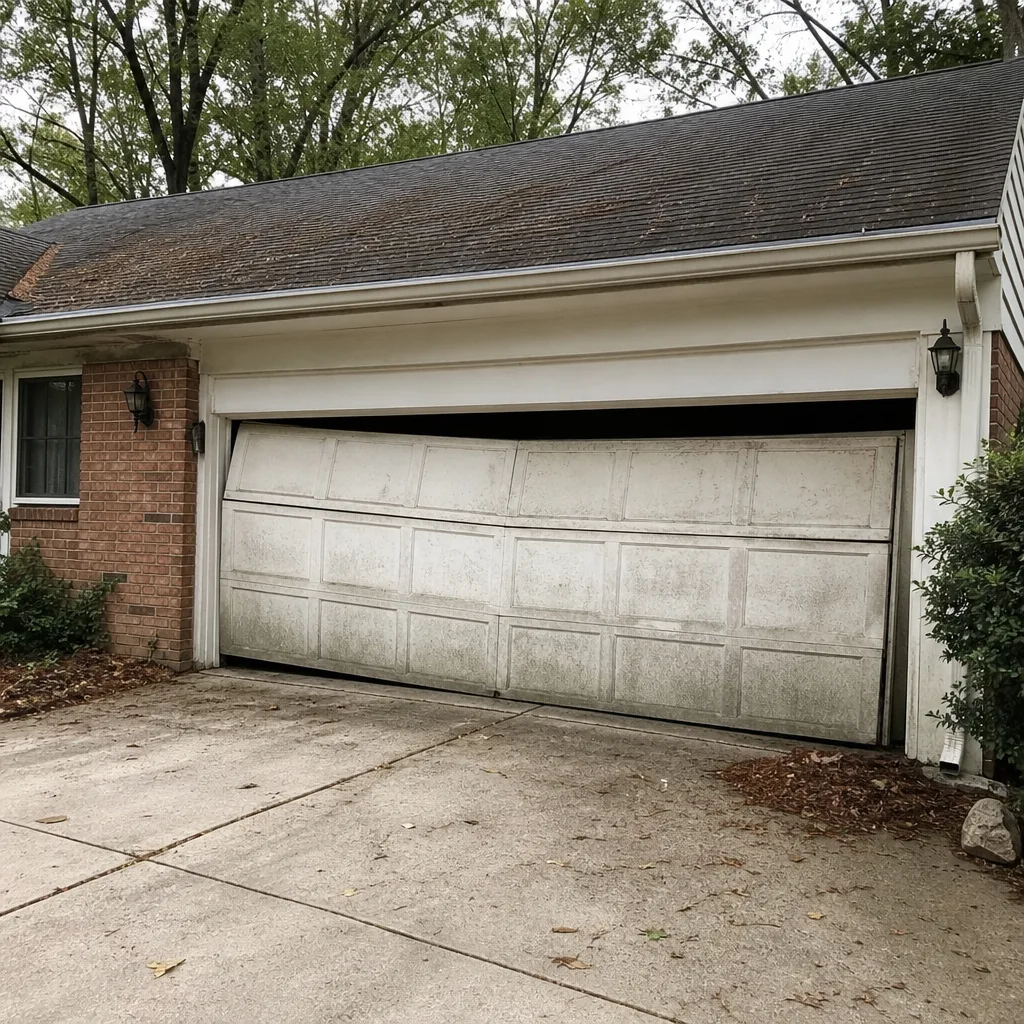 Before
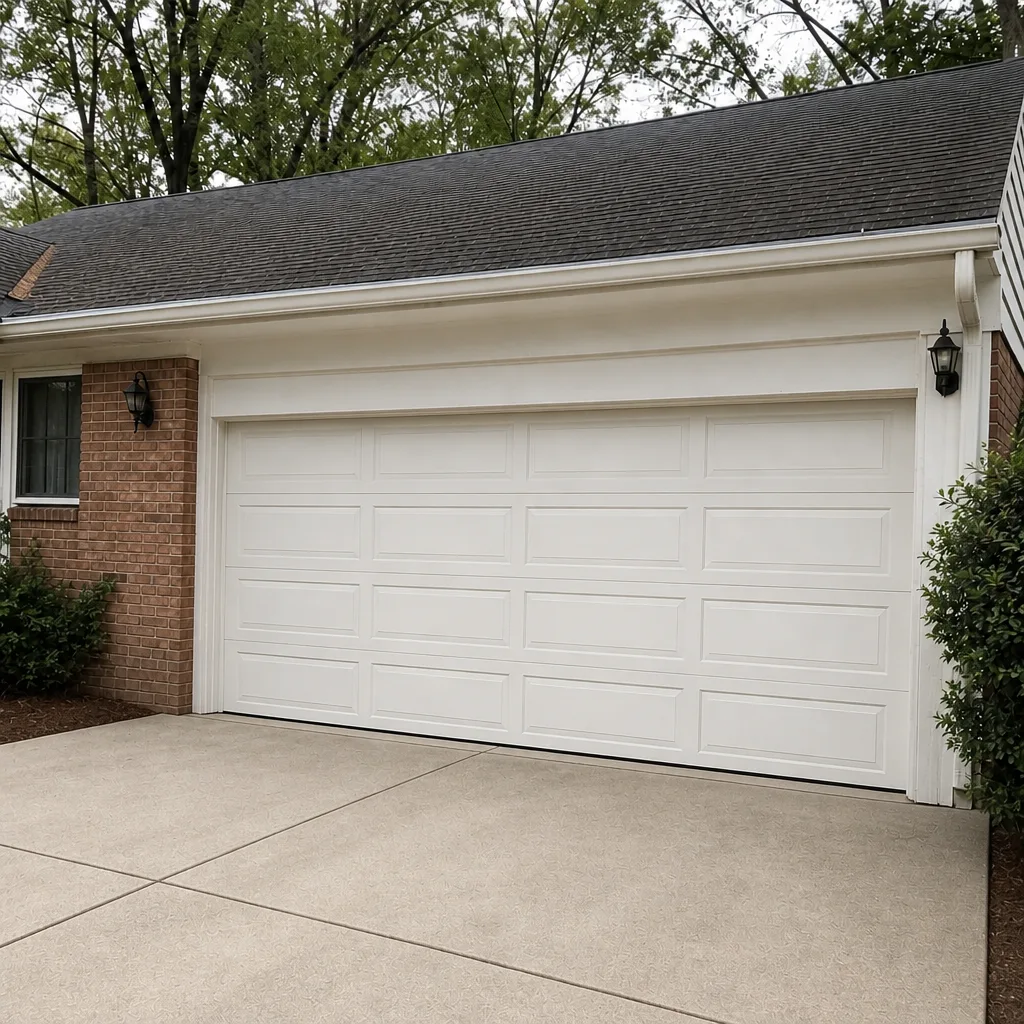 After
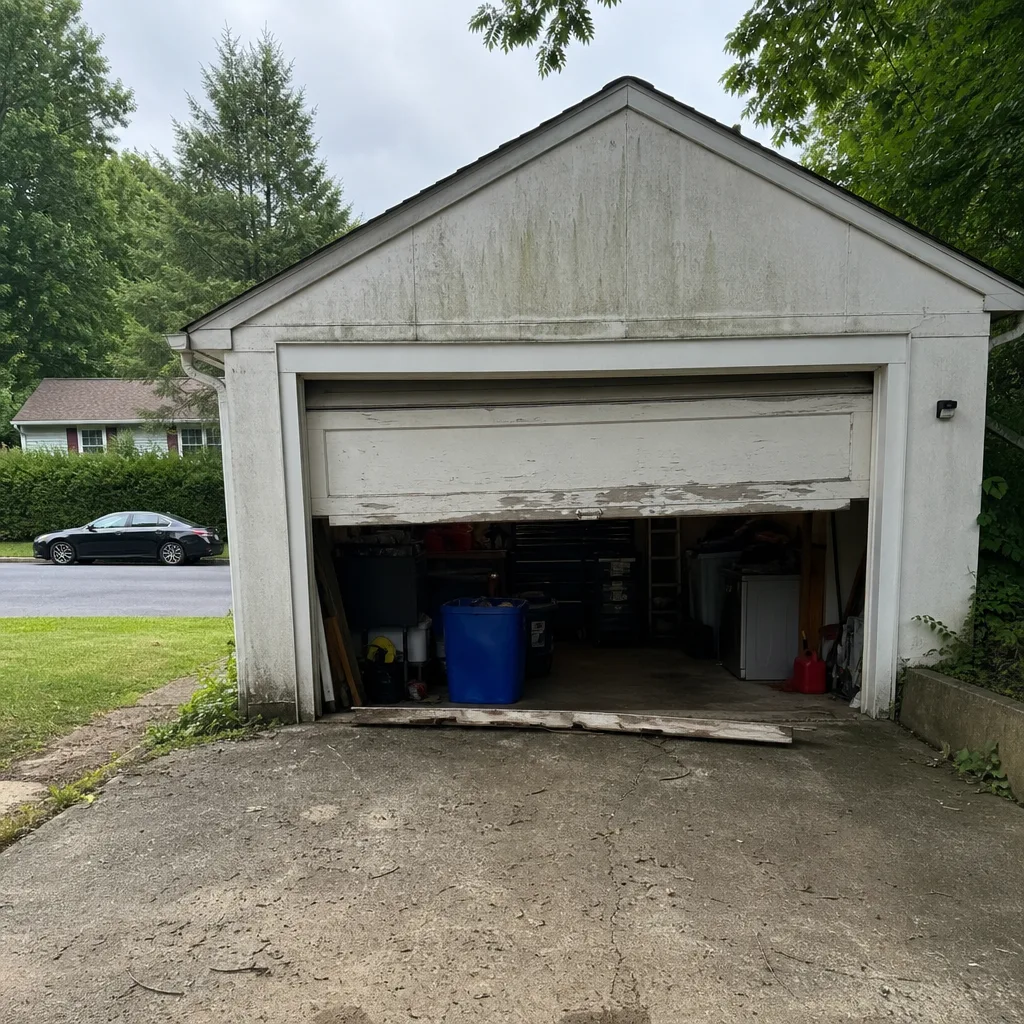 Before
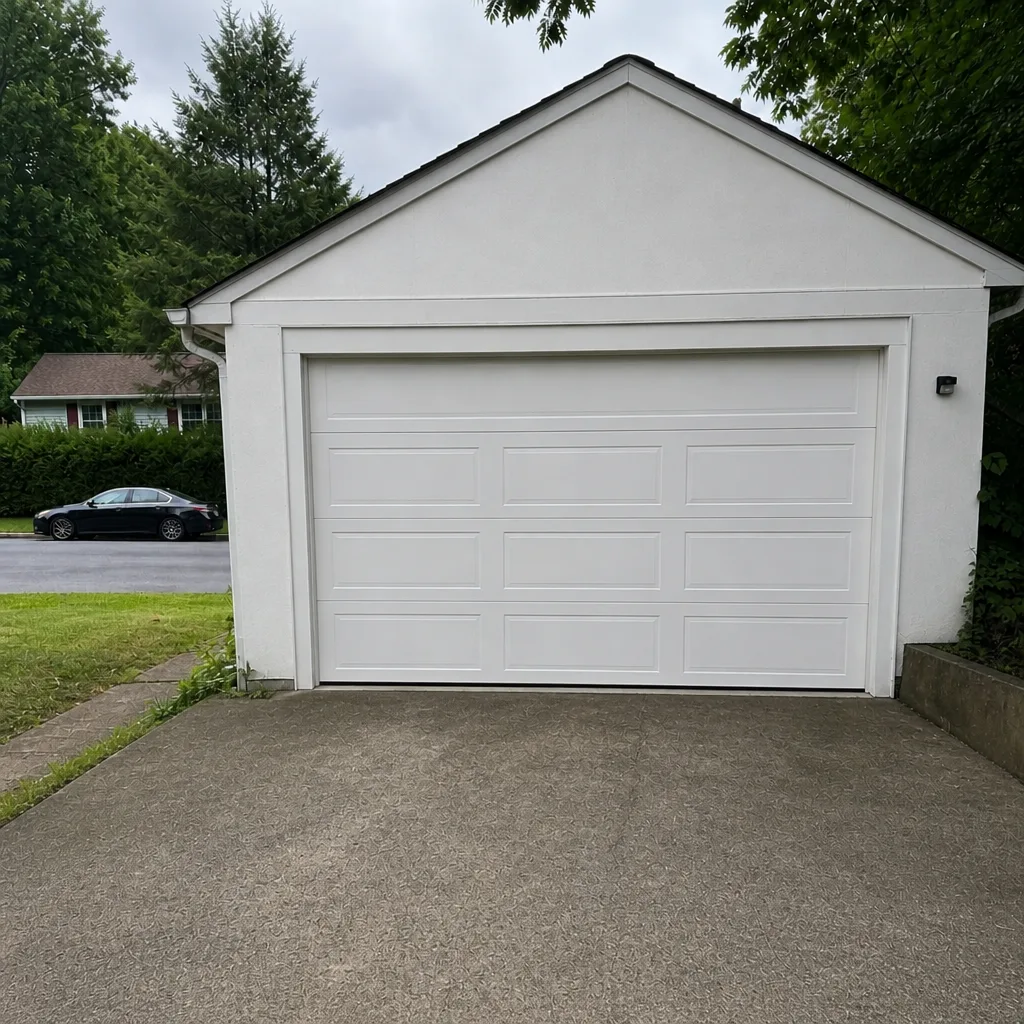 After
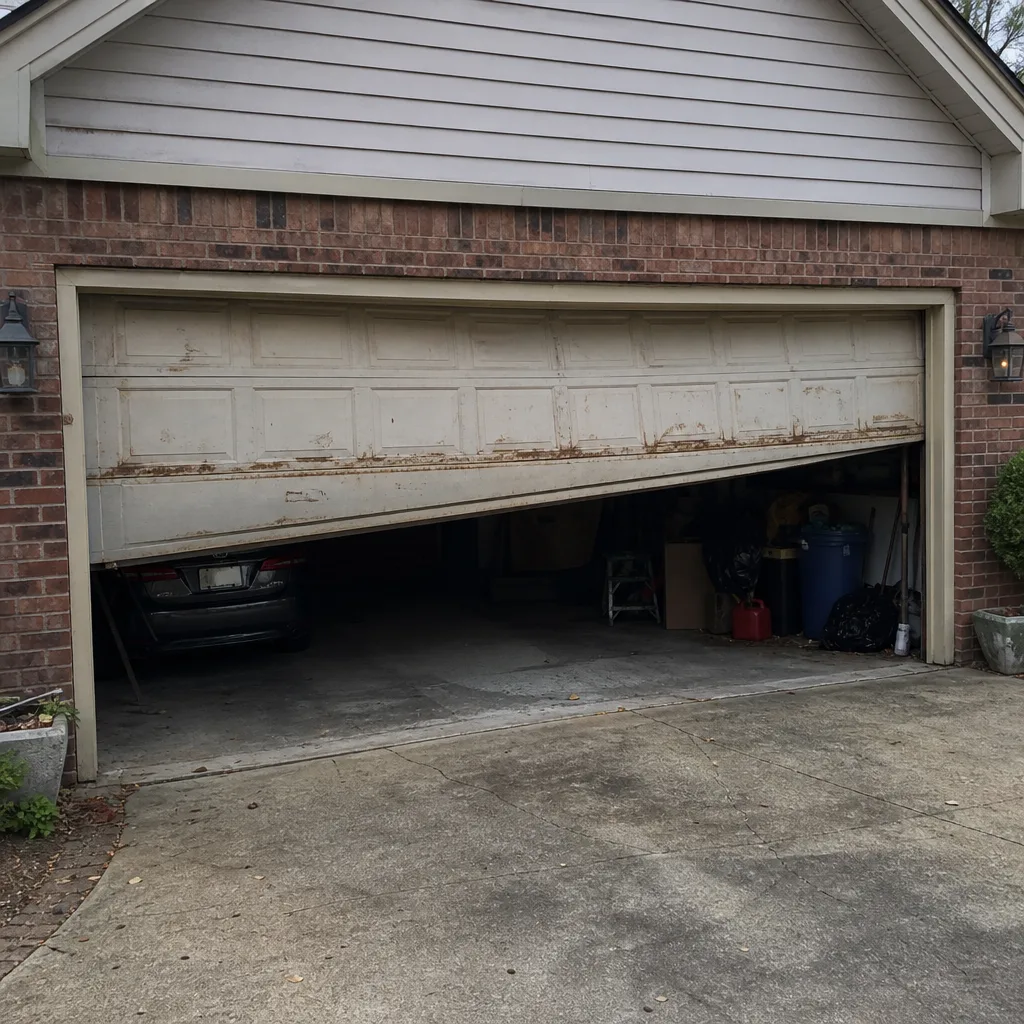 Before
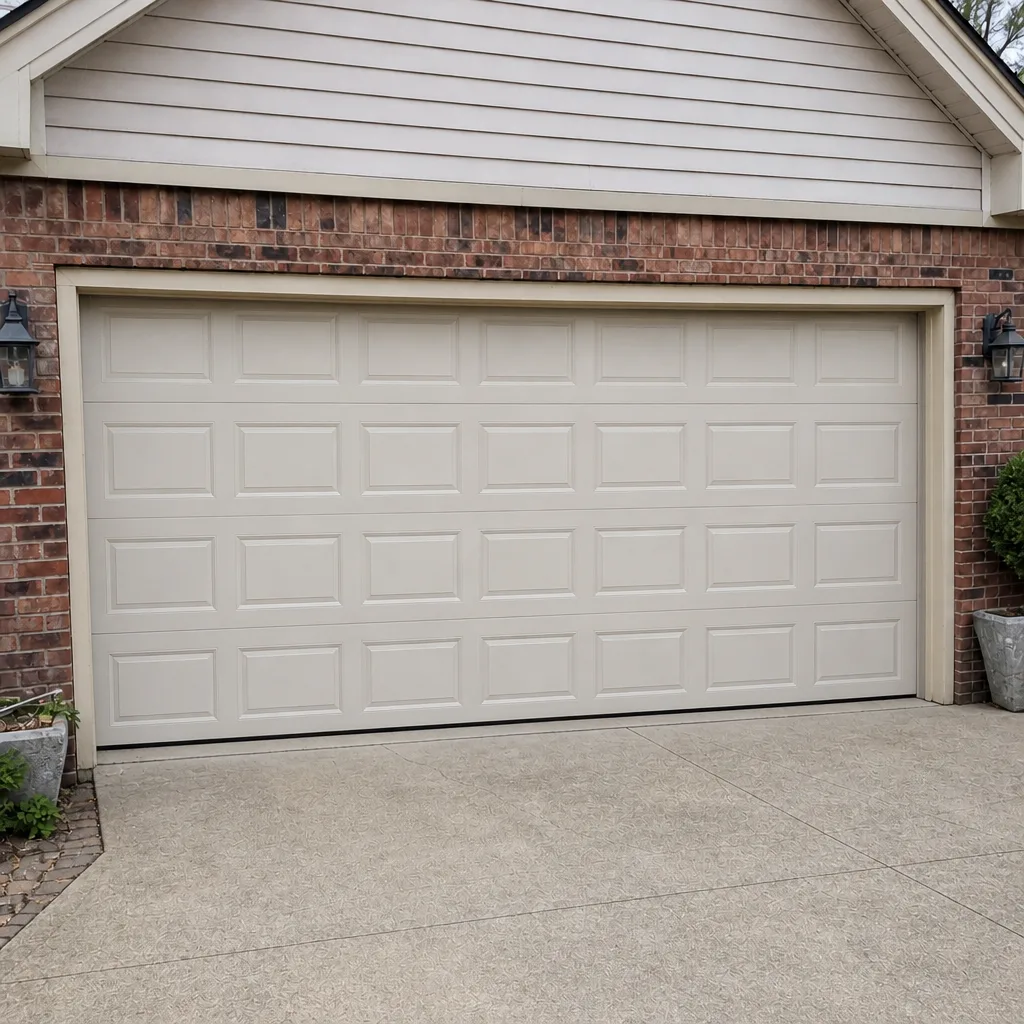 After
When to Call a Professional
You have a real reason to call a professional when the door has physically changed – a snapped spring, a bent track, a cable hanging slack, a door off its track, or a panel that no longer sits square. You also have a real reason when the door is open and the opening cannot be secured, or when it is closed and there is no safe way out. If you are unsure, call and describe it. We will tell you whether it is urgent or can wait for a scheduled visit.
What you should not do is try to resolve it yourself when the danger is in the tension. Springs, cables, and torsion bars are under load and can injure you in an instant. Panels, openers, and safety sensors are more forgiving, but a specialist still gets them right faster. McLean Garage Door Repair offers free estimates in McLean – call (855) 629-6238. We answer 24/7. Fast dispatch from 7am to 7pm, Sunday through Friday.
If you want to see the full range of what we do beyond the emergency call, start with McLean Garage Door Repair for our approach to residential work. And if the emergency becomes a full replacement – sometimes the right call when a door is beyond economic repair – we handle new installation too. Our technicians have up to 15 years of experience, and they work across the leading door and opener brands, so no single brand agenda shapes the recommendation.
Frequently Asked Questions
Start with the simplest causes: check the opener’s remote battery, check the circuit breaker, and confirm the power to the garage. If the opener has power but the door won’t move, try the manual release (with the door fully closed). If the door is heavy or won’t budge after release, stop and call (855) 629-6238 – that usually means a spring or cable has failed.
Treat it as a security issue, not a mechanical one. Block the sightline from the street with a tarp or boxes, lock the interior door to the house, and call for a technician to diagnose the close failure. Do not try to force the door down – a door held partway down is unstable. We answer 24/7, and we can book the soonest available slot even outside dispatch hours.
No. Garage door springs are under extreme tension and are the most dangerous component on the door. A wrong or mismatched spring can also shorten the new spring’s life and stress the opener. This is a job for a trained technician with the right tools. Call (855) 629-6238 for a written estimate – the price is agreed before any work starts.
The price is set by the written estimate after a technician sees the door – not by a phone quote. The estimate is free, and the price is quoted and agreed before any work begins. Call (855) 629-6238 for an exact quote.
In most cases, yes. We service LiftMaster, Chamberlain, Genie, Clopay, Amarr, Wayne Dalton, Craftsman, and Raynor equipment, and knowing the door and opener brand helps match the right parts. When you call, if you know the brand, tell us – if you don’t, a quick look at the tag on the opener motor or the door panel helps.
For emergencies where the door is stuck open or blocking access, fast dispatch is available from 7am to 7pm, Sunday through Friday. A call outside dispatch hours is booked into the next opening, Sunday through Friday, 7am to 7pm. Call (855) 629-6238. We answer 24/7.
The Bottom Line
Garage door emergencies split cleanly into two types, and the protocol is different for each. A door that will not open usually yields to the manual release, a check on the breaker, and a little patience – unless the door is heavy, which points to a spring. A door that will not close needs the opening secured and a technician, not a push. Put a flashlight and our phone number in the garage now, before you need them. When a door fails in McLean, call (855) 629-6238. We answer 24/7, fast dispatch runs 7am to 7pm Sunday through Friday, and estimates are free with the price agreed before work starts.
Written by the team at McLean Garage Door Repair.