
Last updated November 23, 2026
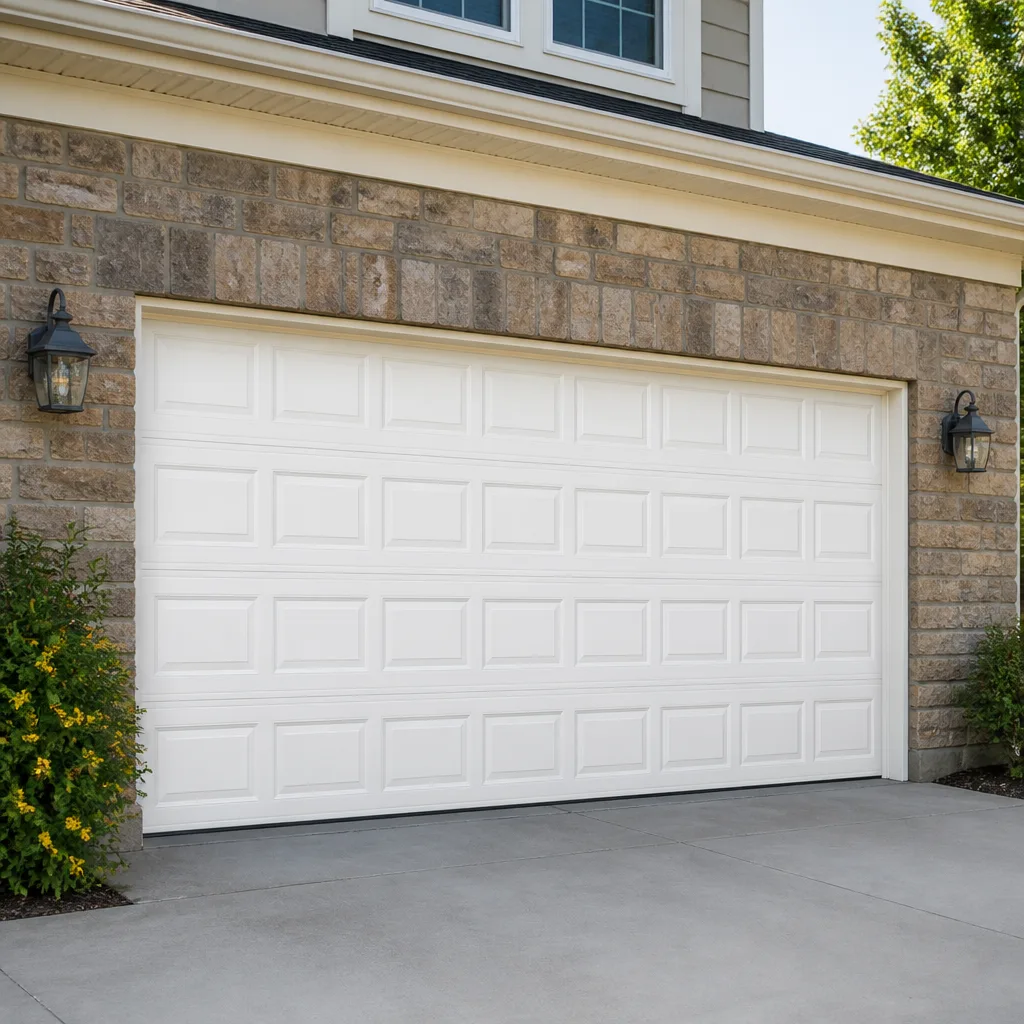 Raised-panel steel
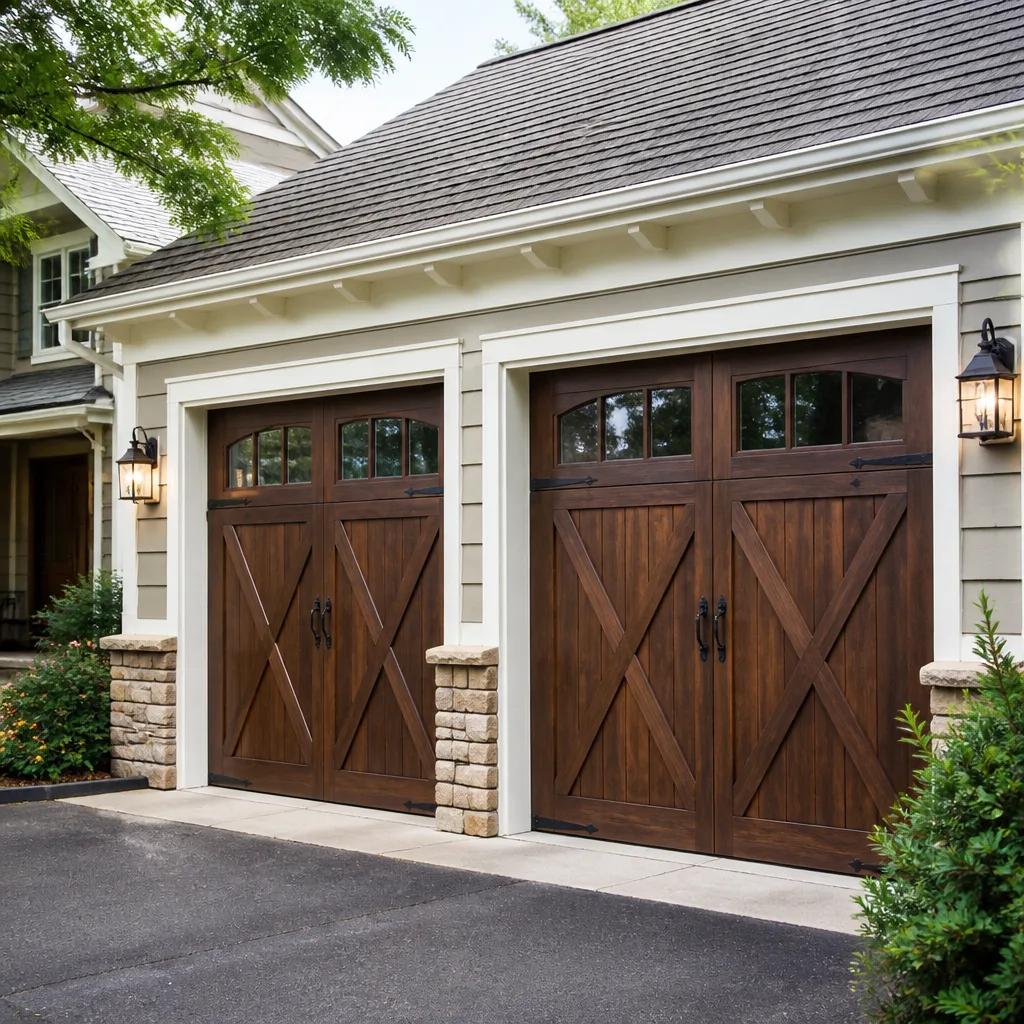 Carriage house
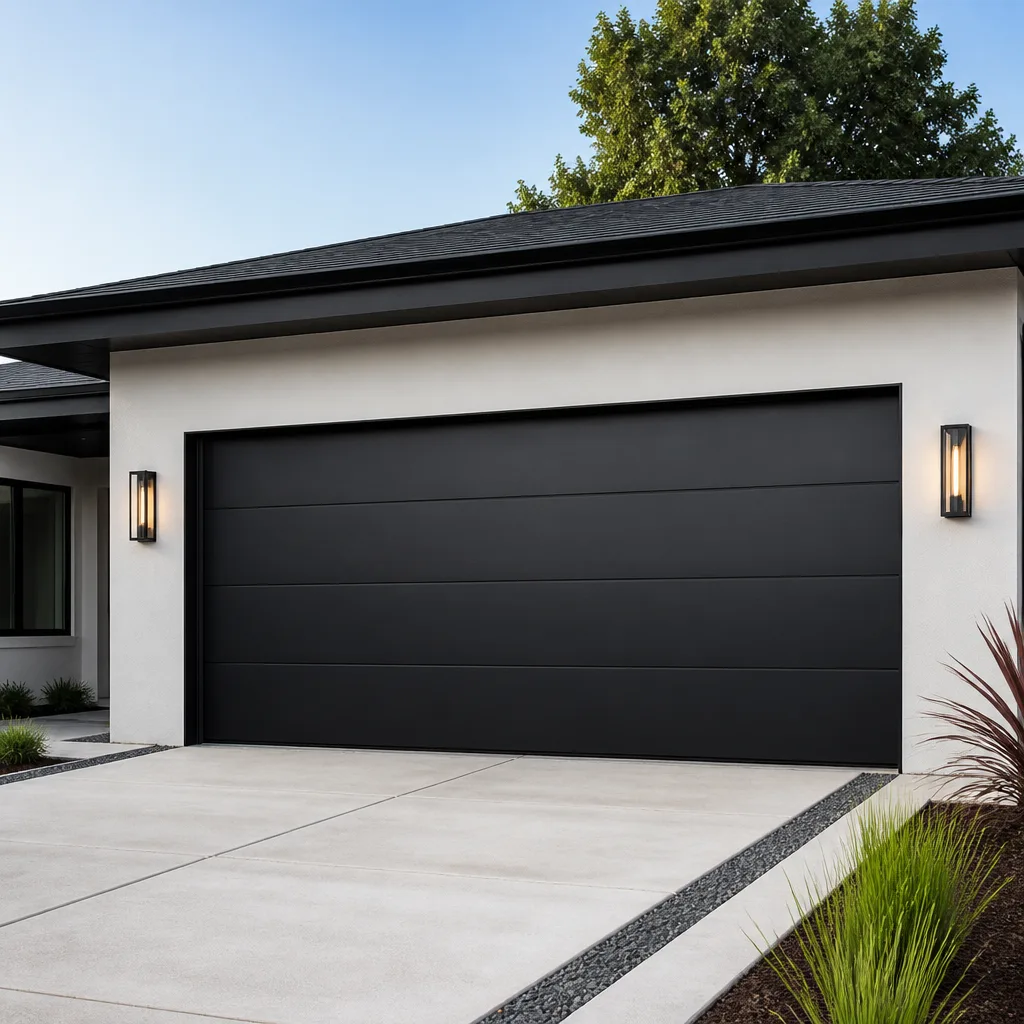 Modern flush
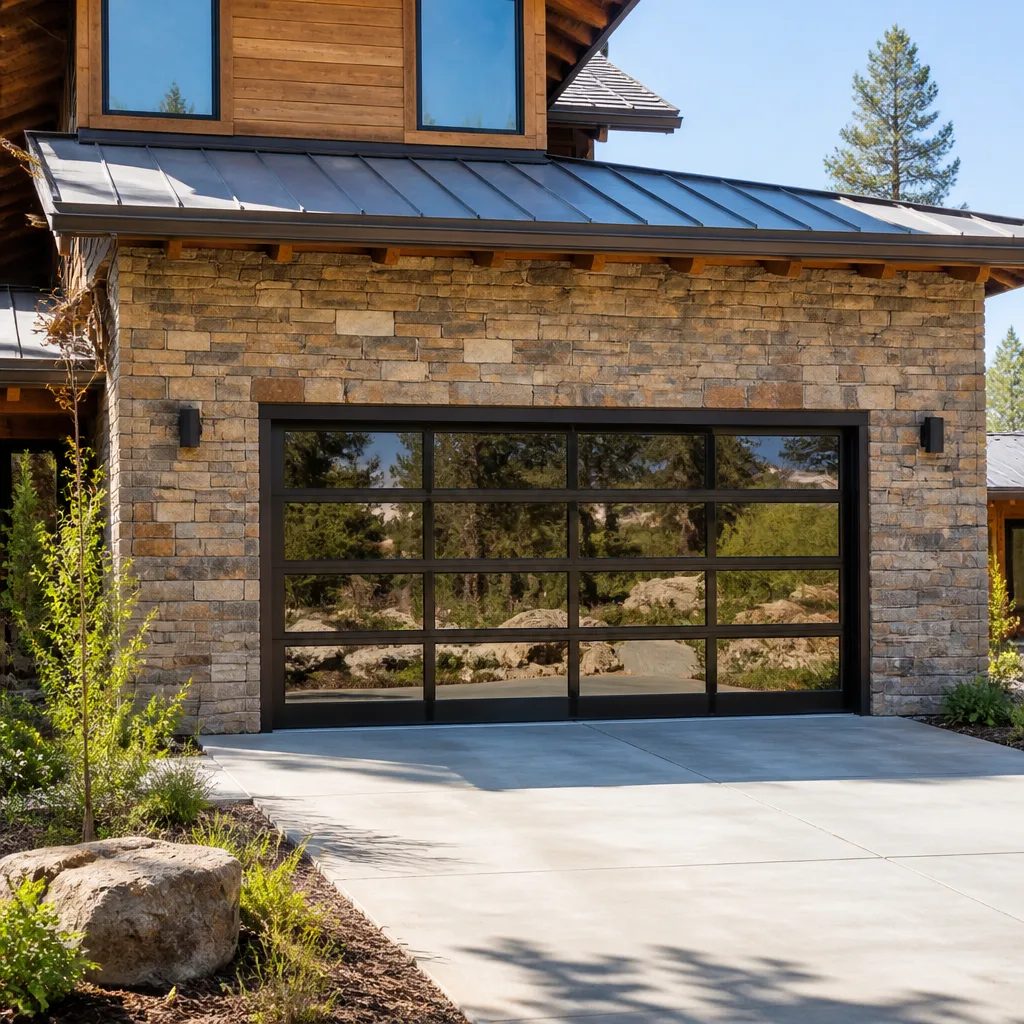 Full-view glass
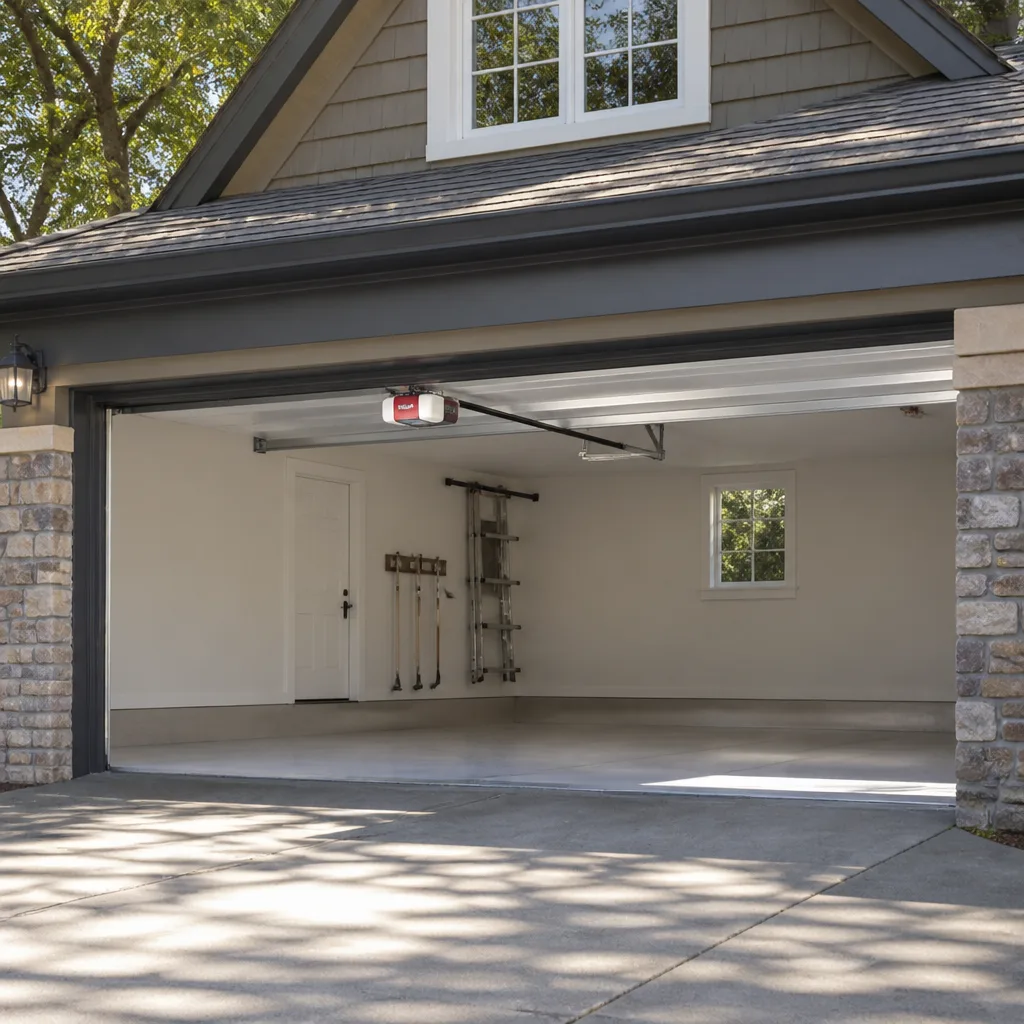 LiftMaster openers
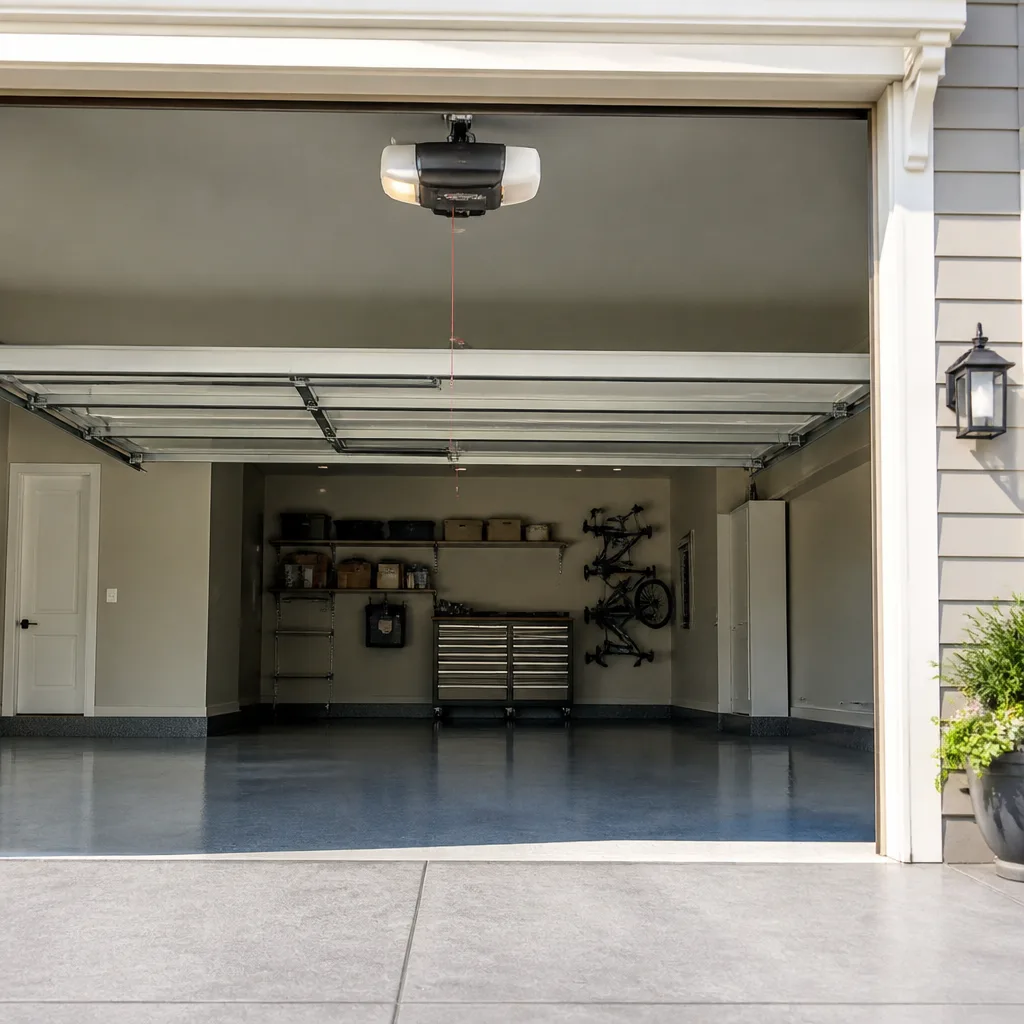 Chamberlain openers
Full 25-point door and opener safety check with every visit - springs, cables, rollers, tracks, and your LiftMaster or Chamberlain opener included
You get a price before we start. It does not change when the pro arrives.
Get your free estimateChoosing the Right Garage Door Brand: A Buyer’s Guide for McLean
The brand a dealer recommends most enthusiastically is usually the brand they carry exclusively, which tells you everything about the recommendation and nothing about what’s right for your house. That’s not a knock on dealers. It’s just how inventory works. In McLean, where homes range from brick colonials off Old Dominion Drive to newer construction near the Tysons edge, the honest answer is that brand choice should follow your use case, your budget tier, and the fine print of the warranty, not what happens to be sitting in a showroom. This guide walks you through how brands actually differ, what the tiers mean, and how to read the warranty language that separates a good door from a good deal.
Quick Answer
There is no single best garage door brand in McLean. The right choice depends on three things: how you use the door (daily driver versus rarely opened), what you can spend, and which brand your installer can service and source parts for years later. For most McLean homeowners, a mid-range insulated steel door from a brand with broad parts availability, paired with an opener that fits your smart-home ecosystem, is the sweet spot. If you want one sentence to take away, make it this: choose the installer and the warranty first, the brand second.
Styles & brands we work with
- Raised-panel steel
- Carriage house
- Modern flush
- Full-view glass
- LiftMaster openers
- Chamberlain openers
Table of Contents
- The Three Brand Tiers You’ll Actually Find in Northern Virginia
- What Actually Differs Between Brands at the Same Price Point
- Opener Brands and Your Smart-Home Ecosystem
- Warranty Language Decoded: Panels, Springs, and Finish
- Why a Multi-Brand Installer Beats a Single-Brand Dealer Long Term
- Virginia Humidity, Finish Longevity, and Material Choice
- A Step-by-Step Way to Choose Your Brand
- Common Mistakes to Avoid
The Three Brand Tiers You’ll Actually Find in Northern Virginia
Walk into any garage door conversation in McLean and you’re really choosing among three tiers of product. The names matter less than what each tier gives you. Here’s how the market breaks down.
Entry Tier
Entry-tier doors are typically non-insulated or lightly insulated steel panels with a basic factory finish. They’re the most common starting point for a rental property, a detached garage, or a budget-focused replacement. Brands like Wayne Dalton and Craftsman occupy this space in many Northern Virginia homes. You get a functional, tidy door. What you don’t get is strong thermal performance, and the finish tends to be thinner, which matters more than people expect in a humid climate. These doors are a reasonable choice when the garage is unconditioned and the door is opened a couple of times a day.
Mid-Range
The mid-range is where most McLean homeowners land, and for good reason. This tier typically includes insulated steel doors with a steel gauge thicker than entry models, more consistent insulation across the panel, and a finish system designed to hold up. Clopay and Amarr are common names here. You get better quiet operation, better thermal behavior if the garage sits under living space, and more style options, including carriage-house looks that suit the brick and siding character of many McLean neighborhoods. This is the tier where brand-to-brand differences start to show up in the details rather than the marketing.
Premium
Premium doors bring heavier steel, fuller insulation, wood or composite overlays, and finishes designed for long service. Raynor occupies part of this space, and premium lines from Clopay and Amarr sit here as well. These doors make sense when the garage is a prominent part of the facade, when the door is insulated to buffer a room above the garage, or when you plan to stay in the home long term and want the finish to age well. The premium tier is also where you’ll see the widest range of custom sizing, which matters in McLean’s older homes where garage openings weren’t built to a modern standard.
One thing worth stating plainly: a premium door installed poorly is a worse investment than a mid-range door installed well. The tier sets the ceiling. The installation sets whether you reach it.
What Actually Differs Between Brands at the Same Price Point
Two doors priced the same can behave very differently over ten years. In our experience working across Clopay, Amarr, Wayne Dalton, and Raynor panels, the differences show up in three places.
- Steel gauge. Thicker steel resists denting and holds its shape better. A door that flexes under a stray basketball is a door that will eventually lose its seal and its finish. Entry-tier doors generally run thinner; mid-range and premium step up.
- Insulation consistency. Some brands insulate the full panel evenly; others leave gaps at the edges and hinges. The R-value on the spec sheet is a single number, but how evenly that insulation is distributed across the door determines how the door actually performs against summer heat and winter cold.
- Finish longevity. Finish systems vary in how they handle humidity and temperature swings. A finish that looks identical on day one can age differently after several Northern Virginia summers. Premium finishes tend to hold color and resist chalking longer, which is the difference between a door that still looks sharp at year ten and one that needs repainting.
The practical takeaway: don’t compare two doors on price alone. Compare them on steel gauge, insulation in the panel (not just the headline number), and the finish warranty. Those three items tell you more than any brochure.
Opener Brands and Your Smart-Home Ecosystem
Here’s where the “best-rated” opener often isn’t the best opener for you. The opener that integrates cleanly with the smart-home setup you already have will serve you better day to day than a higher-rated standalone unit that fights your system.
LiftMaster and Chamberlain are the two most commonly installed opener families in McLean homes, and both offer strong smart features. Genie and Craftsman round out the field, with Craftsman units common in older homes and Genie often found where a homeowner wanted a straightforward, reliable mechanical unit. If your home already runs a connected ecosystem, the question becomes which opener speaks to it without friction.
How to Think About the Match
- List what you actually want from the opener: app control, voice commands, auto-close, battery backup, or just a quiet reliable open.
- Check which opener brands natively support that feature without a bridge device or workaround.
- Confirm the opener works with your door’s weight and height, not just your phone.
- Ask your installer whether they can service that brand’s parts if something fails in a few years.
When an opener does fail, the fix is usually a specific component rather than a whole-unit replacement, which is why we treat garage door opener repair as its own specialty rather than an add-on. The right brand match means the repair is straightforward and parts are available.
Warranty Language Decoded: Panels, Springs, and Finish
A “lifetime” warranty sounds reassuring until you read what it actually covers. Here’s the part most homeowners skim past, and it’s the section that matters most.
- Panel warranty. Often called “limited lifetime,” this usually covers the panel against defects in materials. It does not cover dents, accidental damage, or normal wear. Read what voids it.
- Spring warranty. Springs are consumable parts under constant tension. A lifetime label on springs usually means a limited cycle count rather than “forever.” Ask how cycles are counted and what the replacement terms are.
- Finish warranty. This is the one homeowners rely on most in a humid climate. The length of the finish warranty and the conditions attached to it tell you how much confidence the brand has in how the door will age.
- Labor. The warranty on the product rarely covers the labor to install or replace it. Ask separately who handles labor and for how long.
Which brands honor the warranty without friction? In practice, the brands with broad parts availability and clear documentation tend to honor claims more smoothly, simply because the replacement parts exist and the process is defined. That’s part of why we’ve made a point of being factory-familiar with eight major brands rather than just one or two.
Why a Multi-Brand Installer Beats a Single-Brand Dealer Long Term
Buying from a single-brand dealer feels simple. Buying from a multi-brand installer is smarter, and here’s the parts-availability argument in plain terms.
When your door is under warranty and something fails, the single-brand dealer has one source for the part. If that source moves slowly, you wait. A multi-brand installer works across LiftMaster, Chamberlain, Genie, Clopay, Amarr, Wayne Dalton, Craftsman, and Raynor, which means when a component fails we can identify what’s needed and source it without being boxed into one supplier’s timeline. That’s the concrete difference. It’s not about having more brands on a brochure. It’s about how fast you get back to a working door.
The second reason is diagnosis. An installer who works across brands has seen how each one fails, which parts are prone to wear, and which fixes hold. Precision work on springs and openers rewards that breadth. When your door won’t open, you want someone who’s seen the brand before.
The third is continuity. A multi-brand specialist can take you from an emergency call through to a permanent installation without you having to start over with a second company when your needs change. That’s why we offer the full range of garage door repair alongside installation, so the relationship doesn’t end when the fix is done.
See the difference
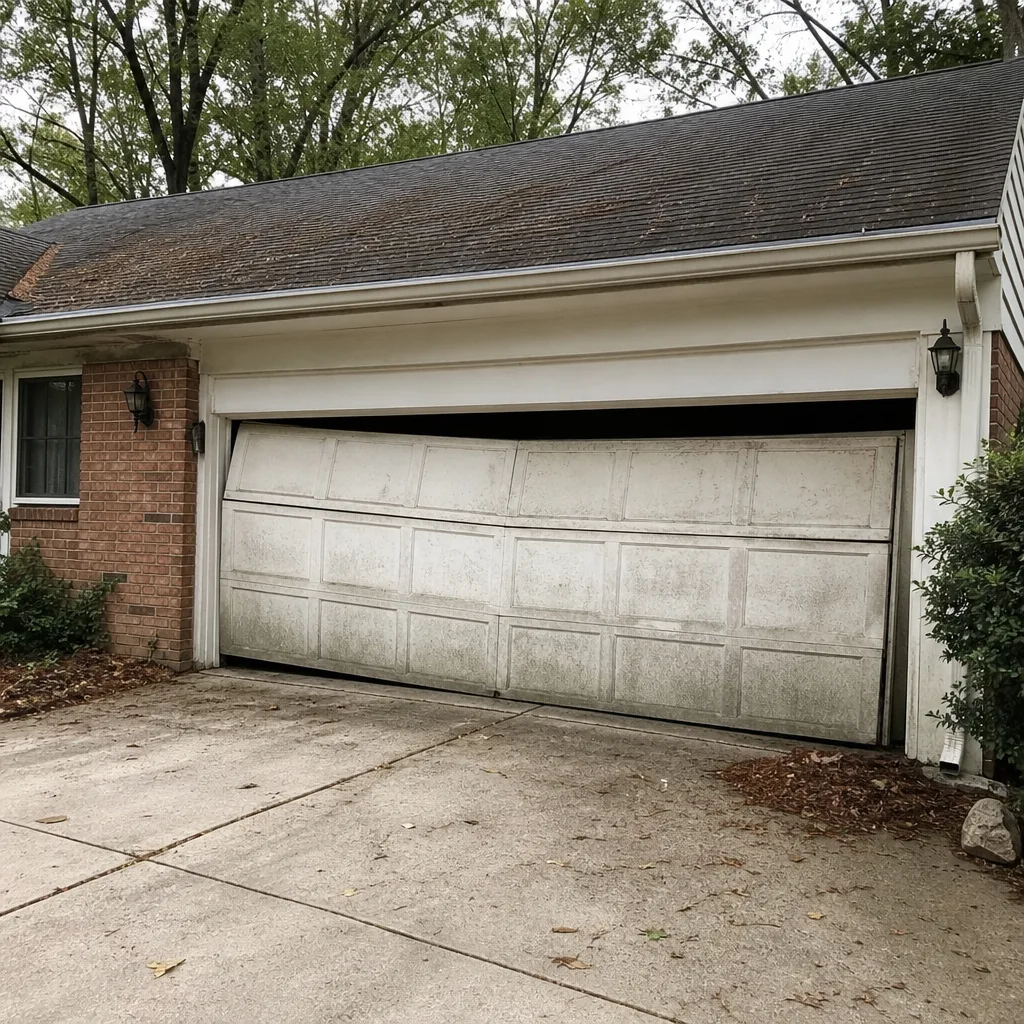 Before
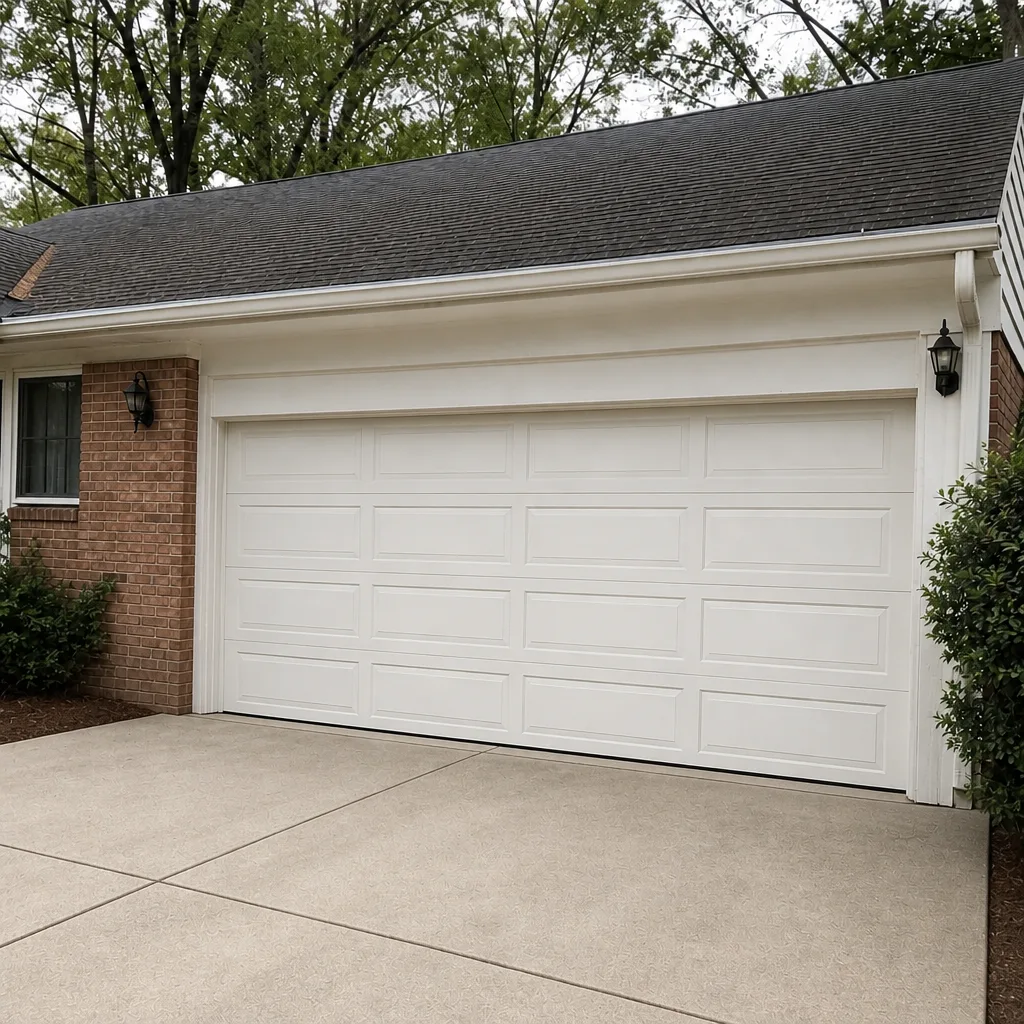 After
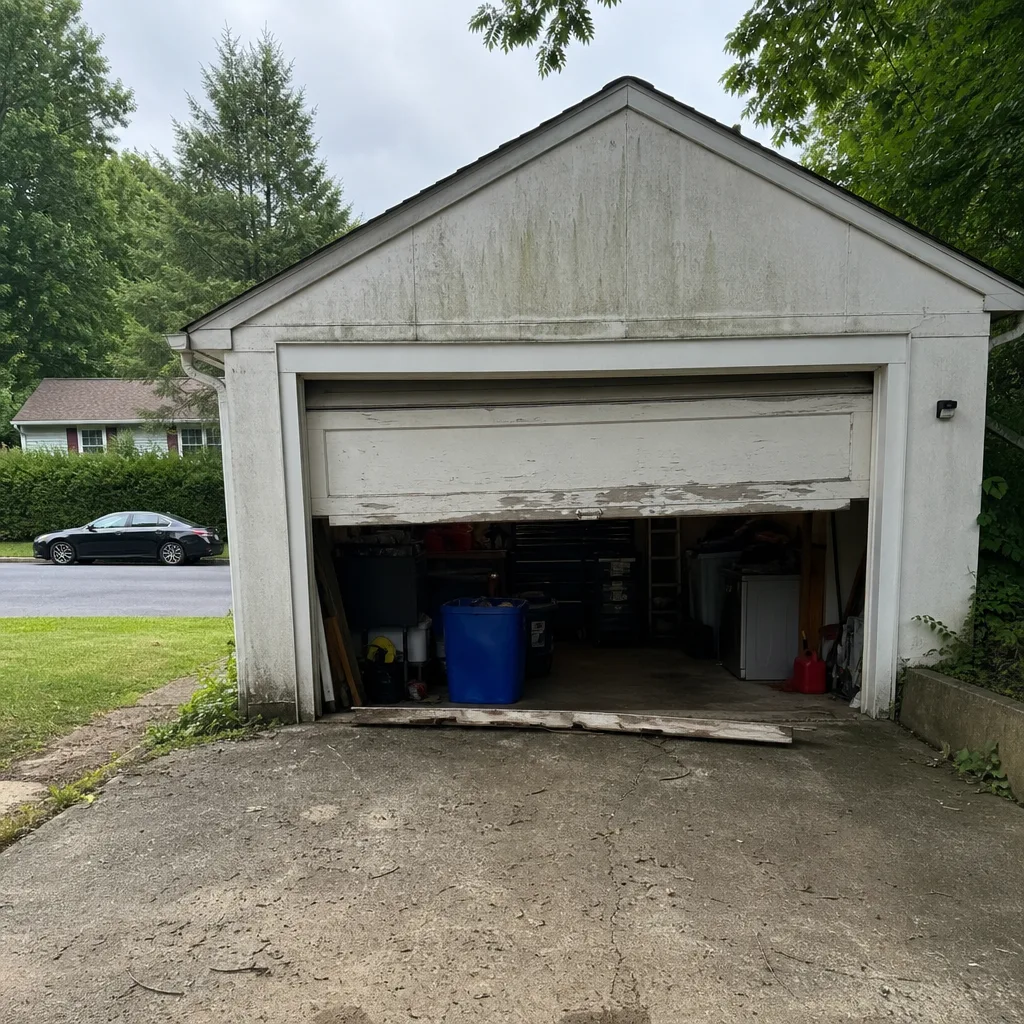 Before
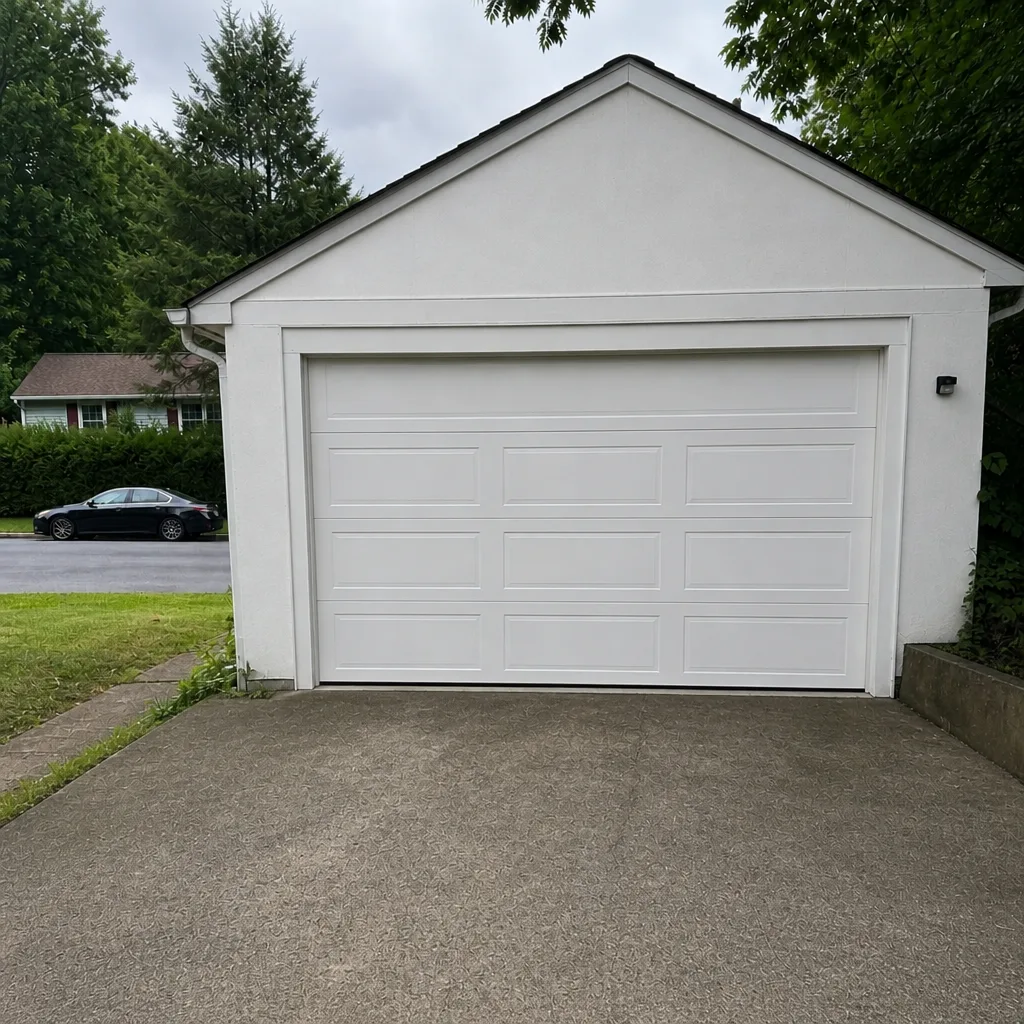 After
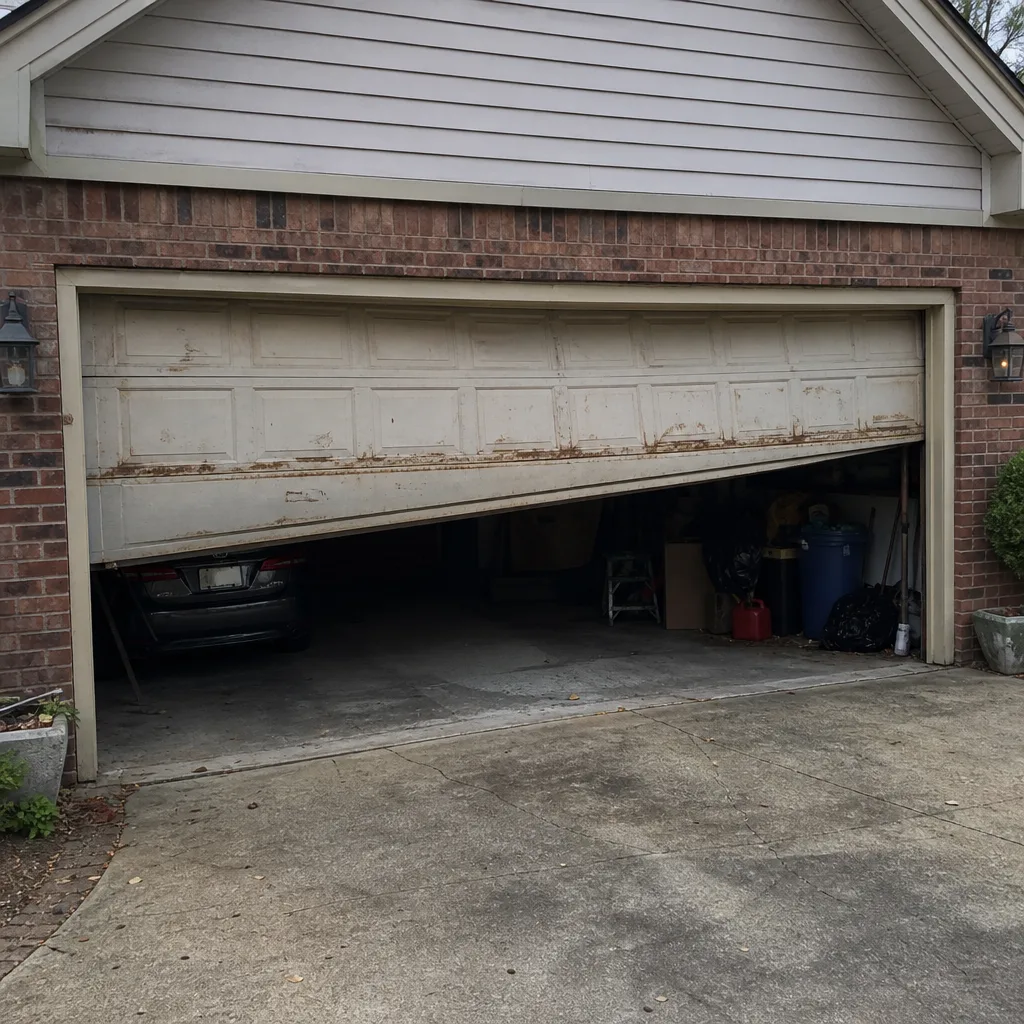 Before
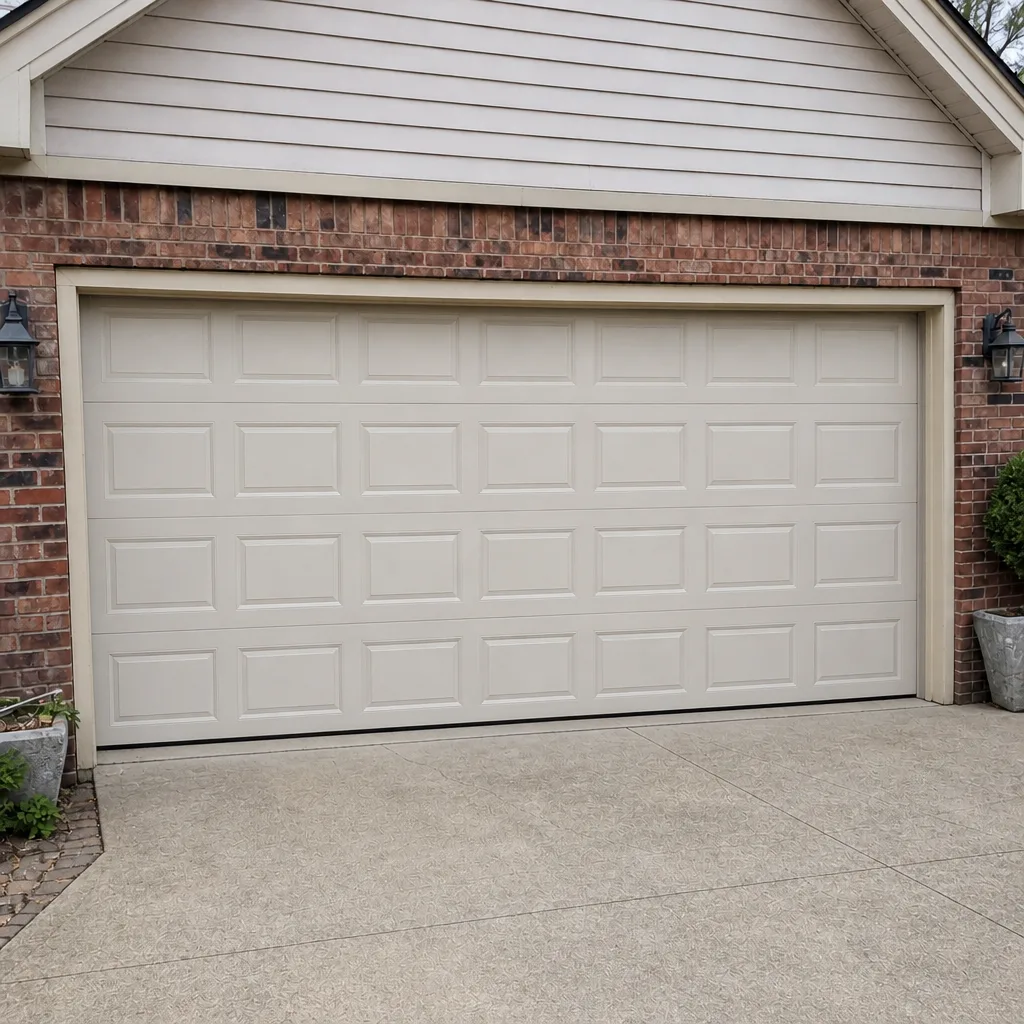 After
Virginia Humidity, Finish Longevity, and Material Choice
Northern Virginia’s summers bring heat and humidity, and its winters bring freeze-thaw cycles. Neither is extreme enough to dictate one material, but both affect how a door ages. Steel with a quality factory finish handles the humidity well when it’s insulated and properly installed with good weather seal. A poorly sealed door lets moisture reach the panel edges, where finish failure tends to start. Wood-faced doors look beautiful on the right McLean home but need more maintenance to stay ahead of moisture. Composite overlays offer a middle path. The point isn’t to fear one material. It’s to match the material and finish to the exposure your garage actually sees, and to choose a brand whose finish warranty reflects real confidence in how the door will hold up here.
A Step-by-Step Way to Choose Your Brand
If you want a repeatable method rather than a gut call, work through these steps in order.
- 1
Define how the door is used. A door opened ten times a day has different needs than one opened twice a week. Daily drivers justify a stronger opener and a door built for cycles.
- 2
Set your tier. Entry, mid-range, or premium. Be honest about whether the garage is conditioned, whether there’s living space above, and how prominent the door is on the facade.
- 3
Compare at the same price. Put two or three doors at your price point side by side and compare steel gauge, insulation across the panel, and finish warranty length.
- 4
Match the opener to your home. Pick the opener brand that fits your smart-home system and your door’s weight, then confirm parts availability.
- 5
Read the warranty terms. Panels, springs, finish, and labor, separately. Ask what voids each.
- 6
Choose the installer. Confirm they can service your brand and source parts. The installer is the one person you’ll actually call in three years.
For anything involving the springs, high-tension components, the electrical side of an opener, or overhead work, stay with a trained professional. A garage door spring is under significant tension and can cause serious injury if handled without the right knowledge and tools, so “how it works” is a far safer curiosity than “how to do it yourself.”
Common Mistakes to Avoid
- Choosing the brand your dealer stocks most. A recommendation shaped by inventory tells you about the dealer’s shelf, not your home. Ask why a specific brand is recommended and what it offers over the alternatives at the same price.
- Comparing on price alone. Two doors at the same price can differ enormously in steel gauge, insulation consistency, and finish warranty. Those three items predict how the door ages in McLean’s humidity far better than the sticker.
- Ignoring the opener. A great door paired with a mismatched opener creates friction every day. Match the opener to your smart-home ecosystem and to the door’s weight before you buy.
- Reading the warranty after you buy. “Lifetime” means different things for panels, springs, and finish. Read the terms before you sign, and ask explicitly what voids the finish warranty.
- Skipping the installer conversation. Buy from someone who can service multiple brands and source parts years from now. Ask what happens if a part fails in three years and who handles it.
- Assuming a single-brand dealer is the only warranty path. A multi-brand installer can often honor the same manufacturer warranty while giving you faster parts access. Confirm this before you decide.
- Choosing a door that fights your home’s character. In McLean’s older brick and siding homes, a carriage-house style or a panel style that suits the facade matters for resale. A door that fits the house is worth more than a few dollars saved on the door itself.
When to Call a Professional
Some jobs are clearly a call to a specialist: a snapped spring, a door that’s come off its track, an opener that won’t respond, or a door that closes on a gap and leaves the house unsecured. Springs and high-tension components should always go to a trained technician, and so should any work on the opener’s wiring or the door’s balance. If you’re weighing a replacement and want a brand-informed opinion instead of a single-brand pitch, that’s a professional conversation too. McLean Garage Door Repair offers free estimates in McLean. Call (855) 629-6238. We answer 24/7. Fast dispatch from 7am to 7pm, Sunday through Friday. The price is quoted and agreed before any work starts, so you know the number before anything begins. Our technicians have up to 15 years of experience, and they work across the industry’s widely installed door and opener brands.
Frequently Asked Questions
There’s no single best brand, because the right choice depends on how you use the door, your budget tier, and which opener fits your smart home. For most McLean homes, a mid-range insulated steel door from a brand with broad parts availability, paired with a matching opener, is the sensible choice. The installer and the warranty terms matter as much as the name on the door. Call (855) 629-6238 for a free estimate on your specific door.
Cost depends on the tier, the size of the opening, and the opener you choose, so there’s no single figure. The honest path is a free on-site measure and a written price before any work starts. Call (855) 629-6238 to book that visit. We answer 24/7. Fast dispatch from 7am to 7pm, Sunday through Friday.
Yes, they do, and the differences show up in steel gauge, how evenly the insulation is distributed across the panel, and how long the finish warranty runs. Those three items predict how a door ages in Northern Virginia’s humidity better than price alone. Ask to see the specs side by side. Call (855) 629-6238 for a free estimate.
A multi-brand installer gives you better long-term service access, because they can source parts across several brands instead of being tied to one supplier. That means faster repair when a component fails. It also means a brand recommendation shaped by your needs, not by what’s in stock. Call (855) 629-6238 for a free estimate.
It varies by brand and by component: panels, springs, and finish are usually covered on different terms, and labor is often separate. Ask what voids each warranty before you buy. Skim the finish section especially, since that’s what matters most in a humid climate. Call (855) 629-6238 for a free estimate.
In most cases, yes. We work across LiftMaster, Chamberlain, Genie, Clopay, Amarr, Wayne Dalton, Craftsman, and Raynor, so we can diagnose and repair the opener and door you already own. If your opener won’t respond or runs but the door doesn’t move, call (855) 629-6238. We answer 24/7. Fast dispatch from 7am to 7pm, Sunday through Friday.
The Bottom Line
The brand matters less than the dealer conversation wants you to think, and more than “they all look the same” suggests. Choose your tier honestly, compare doors on steel gauge, insulation consistency, and finish warranty, match the opener to your home, and read the warranty terms before you sign. Then choose an installer who can service multiple brands and source parts years from now. That combination is what protects your investment in McLean. When you’re ready to move from research to a real number, we’re here with a free estimate and a specialist on the phone.
Call (855) 629-6238 for a free estimate. We answer 24/7. Fast dispatch from 7am to 7pm, Sunday through Friday. Whether you’re weighing a new door, an opener upgrade, or a repair, we can diagnose the issue, restore what’s working, and install a permanent solution. If you’re starting at the beginning, our home page for McLean Garage Door Repair is the place to begin, and if a spring is the problem, we treat garage door spring repair as its own dedicated specialty rather than an afterthought.
Written by the team at McLean Garage Door Repair.